8 Ways Pizza Hut Workers Can Prevent Heat-Related Illnesses
Heat-related illnesses are a critical concern for restaurant workers, especially those in bustling environments like Pizza Hut. With kitchens often reaching overwhelming temperatures, maintaining the well-being of employees is essential. The risk of heat stress and dehydration can compromise not only personal health but also work efficiency. In this article, we will explore effective strategies specifically designed for Pizza Hut workers to mitigate these risks, ensuring a safe and productive working environment. Let's dive into actionable insights that can enhance worker safety and health measures today.
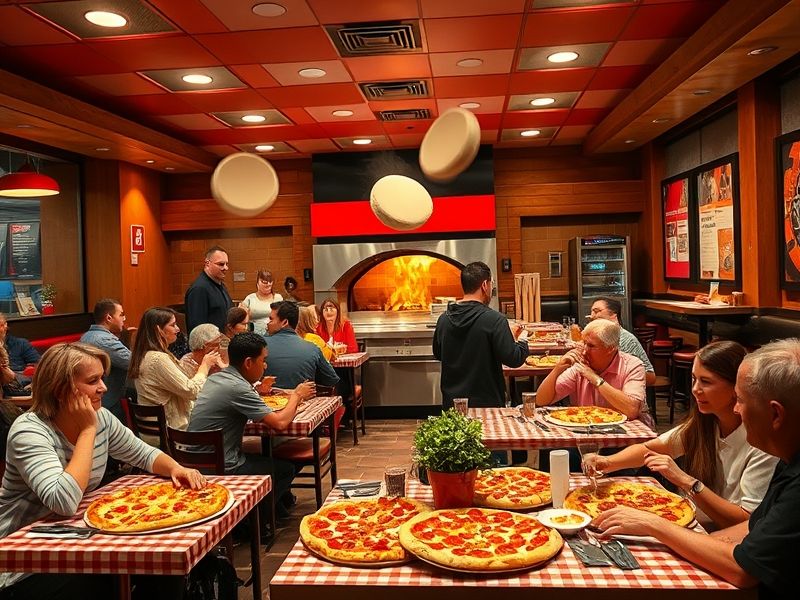
Understanding Heat-Related Illnesses in the Restaurant Industry
Man, the heat can really take a toll on you, especially if you're working in a fast-paced environment like Pizza Hut. You know, just the other day I was talking to a friend who works in a restaurant, and he was telling me about how the kitchen gets so hot during the busy hours. It got me thinking about how crucial it is for both employees and management to understand the types of heat-related illnesses that can affect them, and why awareness is so important.
So, let's dive into this topic. Heat-related illnesses come in various forms, and they can really mess with your health if you’re not careful. We all know that, right? The most common ones you might run into in a restaurant setting are heat exhaustion, heat cramps, and heat stroke. Each one has its own set of symptoms, and it’s crucial to know what to look out for.
Heat exhaustion, for instance, is pretty common and can hit you when you’re sweating a lot and not replacing the fluids you’re losing. You might feel really tired, dizzy, or have a headache. Your skin might be cool and moist, and you could even get muscle cramps. It’s important to get out of the heat, rest, and rehydrate as soon as you can. If you ignore it, things can get worse pretty quickly.
Speaking of worse, heat cramps are kind of like the early warning signs. They usually affect your muscles, and you might start feeling those cramps in your arms, legs, or abdomen. It’s your body’s way of saying, ‘Hey, you’re losing too much electrolyte and fluid, and you need to chill out.’ Literally, you need to chill out!
Now, here’s where it gets serious: heat stroke. This is the big bad wolf of heat-related illnesses. It can be life-threatening and requires immediate medical attention. Symptoms can include a high body temperature, confusion, nausea, and a really bad headache. Your skin might be hot and dry, and you could even pass out. It’s not a joke, folks. If you or someone you know is showing signs of heat stroke, call for help right away.
The long-term effects of ignoring heat stress are no joke, either. Chronic exposure to high temperatures can lead to all sorts of health issues, from kidney problems to cardiovascular issues. I won’t go into too much detail, but trust me, it’s something to take seriously. That’s why it’s so important for both employees and management to be aware of these risks and take proactive steps to prevent them.
Let me tell you something, though. I’ve talked to a few workers, and they often feel like they’re not being heard when they bring up the heat. Maybe I’m wrong, but it feels like there’s a communication gap that needs to be bridged. Management needs to listen to their employees and take their concerns seriously. After all, a healthy and safe work environment benefits everyone.

We’ll dive deeper into this next, but for now, remember what I said in the previous chapter about the importance of awareness. It’s not just about the physical symptoms; it’s about creating a culture where health and safety are a priority. You know, a while back, I wrote about some labor abuses in the industry, and it’s clear that heat-related illnesses are just one of the many challenges workers face. (Check out this article if you’re interested: 7 Alarming Facts About Labour Abuses in the Restaurant Industry)
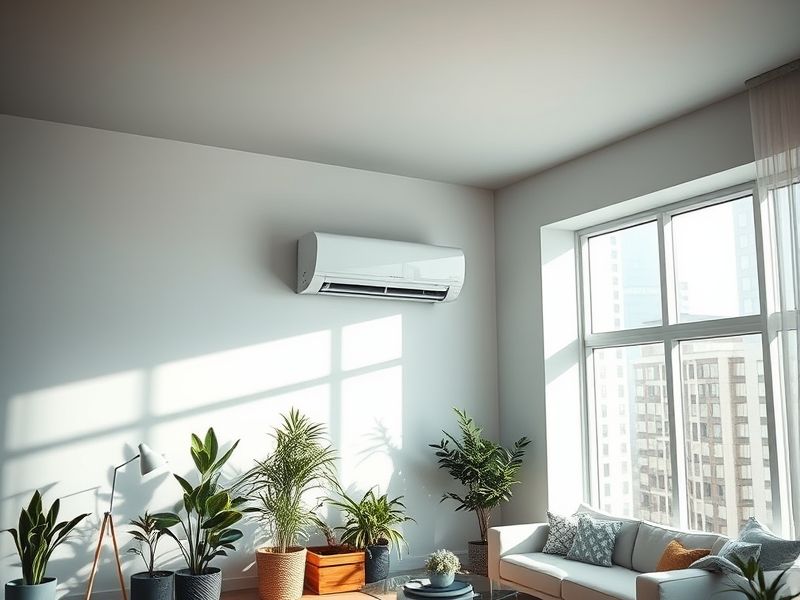
So, to wrap things up, understanding heat-related illnesses is crucial. It’s not just about staying cool and comfortable; it’s about protecting your health and the health of your colleagues. And get this — we’ll be talking about how to create a more comfortable work environment in the next chapter. Air conditioning and proper ventilation are key, and I’ll share some insights on how to make that happen. But let’s change subjects for a moment…
I’ll admit that I struggle with heat myself, and I know how challenging it can be to keep up in a hot kitchen. I don’t completely master all the tips and tricks, but I’m learning. And that’s what it’s all about — continuous improvement. So, stay tuned for the next chapter, and let’s keep this conversation going. After all, we’re all in this together.
Practical Tips for Workers to Combat Heat Stress
So, we all know that working at Pizza Hut can get pretty heated up, especially during those long, sweltering summer days. It’s important to take care of yourself and not let the heat get the best of you. I mean, we all want to stay healthy and productive, right? Let’s dive into some practical tips that can help you combat heat stress and keep you feeling your best while on the job.
First things first, staying hydrated is super important. I can’t stress this enough. You know, just yesterday I was talking to a colleague, and they mentioned how much they struggled with dehydration during their shift. They were feeling dizzy and weak, and it really affected their performance. So, make sure you always have a water bottle handy and take regular sips throughout your shift. Just yesterday, over coffee, I heard a story from a coworker who started carrying a reusable water bottle with a built-in filter. They said it made a huge difference in how they felt during the day.
Now, recognizing the symptoms of heat exhaustion is crucial. Heat exhaustion can sneak up on you, and you might not even realize it until it’s too late. Some common signs to watch out for are heavy sweating, weakness, dizziness, nausea, and a rapid, weak pulse. If you notice any of these symptoms, don’t hesitate to take a break and seek a cooler environment. I remember a while back, one of our employees started feeling really dizzy during a busy lunch rush. We quickly realized it was heat exhaustion and got them to a cooler area with some water. They were back on their feet in no time.
Wearing appropriate clothing is another key aspect of managing heat exposure. I know the uniform is mandatory, but you can still make small adjustments to stay comfortable. For example, consider wearing light-colored, breathable fabrics under your uniform. I personally enjoy wearing a lightweight, moisture-wicking t-shirt underneath my uniform shirt. It helps me stay cool and dry, especially during those intense shifts. I won’t lie, it can make a world of difference.
Scheduling breaks strategically is also vital. Try to take breaks during the hottest parts of the day, especially if you’re working in an area with less air conditioning. If possible, rotate tasks with your coworkers so that everyone gets a chance to work in cooler areas. I vaguely remember a shift where we had a really busy dinner rush, and we decided to rotate tasks every hour. It helped everyone stay fresh and focused, and we didn’t feel as drained by the end of the shift.
But let’s change subjects for a moment. I’ve written about workplace conditions before, and I’ve seen how important it is to have a supportive team. When everyone looks out for each other, it makes a huge difference. I actually wrote about this once on my blog, and I’d love for you to check it out. The article talks about how workplace culture can significantly impact employee well-being. You can find it here: Creating a Comfortable Work Environment: The Role of Air Conditioning.
Going back to what I was saying, having a buddy system can be really helpful. If you notice a coworker looking pale or feeling dizzy, make sure to check in on them and offer support. It’s all about teamwork, and we’re all in this together. Man, this might sound a bit cliché, but it’s true. We’ve all been through it, and it’s comforting to know that you’ve got someone watching your back.
Lastly, don’t be afraid to speak up if you’re feeling the heat. It’s not a sign of weakness to admit that you’re struggling. Your health and well-being are top priorities, and your managers should be supportive. If you’re not sure if they’ll understand, I’m not sure if you’ll agree, but it’s worth a try. I’ve found that being open and honest usually leads to a better outcome.
Look, I’m gonna tell you something that gets me excited. When we all take care of ourselves and each other, it creates a positive, healthy work environment. It’s like a ripple effect. One person’s well-being can impact the entire team. So, let’s all do our part and stay cool, hydrated, and supportive. Trust me, it’s worth it.
Well, I hope these tips help you stay safe and comfortable while working at Pizza Hut. Remember what I said in the previous chapter about the importance of air conditioning. It’s all interconnected, and every little step counts. We’ll dive deeper into more ways to improve workplace conditions in the next chapter, so stay tuned. In the meantime, stay cool and take care of yourselves.
🌙 If this resonated with you, what I left in the link will touch you even more. ✨ Sometimes, small discoveries make a big difference in our well-being. 🌿 I found something special that matches this moment of care and balance.
Change your life now https://amzn.to/3GedgiU
About
✨ My mission here is to spread knowledge and good ideas to the world in a simple way. Everything I share is the result of extensive research.
Comments
Post a Comment