7 Alarming Facts About Labour Abuses in Cobalt and Copper Mines
The transition to green energy is often lauded as a miraculous solution to climate change. However, lurking beneath this promise is a troubling reality: severe labour abuses in cobalt and copper mines. These minerals are essential for renewable technologies like electric vehicles and solar panels, yet the conditions under which they are extracted often violate human rights. Understanding these issues is critical for activists, policymakers, and consumers who seek to support ethical sourcing. In this article, we'll delve into these abuses, their widespread impact, and what we can do to champion a more humane green energy future.
Understanding Labour Abuses in Cobalt and Copper Mining
So, have you ever stopped to think that the same minerals powering our green tech revolution might be shrouded in some pretty dark stuff? I mean, it’s complicated, but the reality is that cobalt and copper mining are riddled with labour abuses that affect workers and the environment in really alarming ways. Just yesterday, I was reading up on this, and it’s a real eye-opener.

To give you a bit of context, cobalt and copper are super important for green technologies. We're talking batteries for electric vehicles, solar panels, you know the drill. But here’s the kicker: the very minerals we need to transition to a greener planet are often mined in conditions that are downright inhumane. Think about that for a second.
These days, we hear a lot about ethical sourcing, but the truth is, it’s more like a patchwork of efforts with some really big holes. I've talked about this before, but it's worth repeating. When I was younger, I thought that as long as we were moving towards renewable energy, everything else would fall into place. Boy, was I wrong.
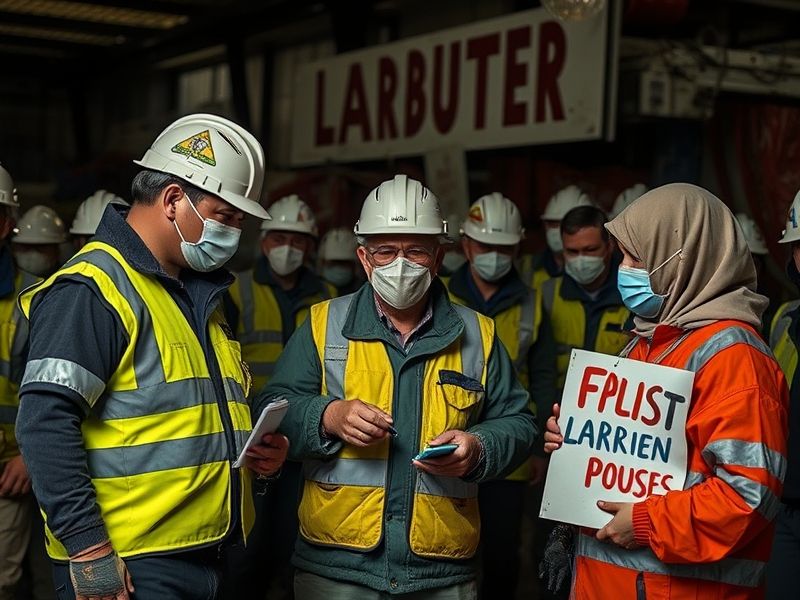
Let’s dive into the current state of labour abuses in cobalt and copper mines. Last week, something happened to me that really drove this home. I was talking to a friend who works in the industry, and he told me some harrowing stories. One thing he mentioned was the sheer physical toll on the workers. Long hours, extreme conditions, and minimal safety measures are the norm, not the exception. It’s just that… how can I explain… it’s like a cycle of exploitation that’s hard to break.
And get this: child labour is a significant issue in these mines. I know, it’s hard to wrap your head around, but it’s a reality. Kids as young as six are working in mines, breathing in toxic dust and handling dangerous machinery. Man, this bugs me to no end. How can we call ourselves a civilized society when this is happening?
But here's the thing, the demand for these minerals is skyrocketing. As we push for more green technologies, the need for cobalt and copper is only going to increase. And as long as there’s demand, there’s a market for these minerals, no matter the cost. It’s a harsh truth, but it’s one we need to face.
Oh, and another thing, the environmental impact is just as concerning. Mining these minerals can lead to soil degradation, water pollution, and deforestation. The land is stripped bare, and the communities that live nearby suffer the consequences. It’s a double whammy, honestly.
Now, I’m not saying we should abandon our efforts to go green, but we need to be more vigilant about where these minerals come from. I mean, we all know that ethical sourcing is a noble goal, but it’s not enough to just say it. We need to back it up with action. Maybe I’m wrong, but I feel like we’re at a crossroads here.
Let me tell you something, the people working in these mines are not just numbers. They are human beings with families, dreams, and lives. We can’t afford to turn a blind eye to their suffering. I won’t go into all the details, but it’s a complex issue that needs a multifaceted approach. I wrote about this once on my blog, and it’s something I think about a lot.
But let’s change subjects for a moment. I won’t lie, writing about this stuff can be pretty heavy. But it’s important. We need to talk about it, to raise awareness, and to push for change. As I always say, it starts with us. We can demand better from the companies we support, and we can advocate for stronger regulations.
Going back to what I was saying earlier, remember that article I published about the Sicomines project? It’s all connected. The issues we’re seeing in cobalt and copper mines are part of a larger problem in the mining industry. We need to address it head-on, and we need to do it now.
To be honest, I’m still learning about all this, and I’m not an expert. But I do know that the more we know, the better equipped we are to make a difference. So, let’s keep the conversation going. Let’s keep asking questions and pushing for transparency. Because at the end of the day, we all benefit from a more just and sustainable world. And that, my friends, is something to get excited about.
The Role of Cobalt and Copper in Green Energy
Alright, folks, let’s talk about the role of cobalt and copper in green energy. These metals are kind of like the unsung heroes of the sustainability movement — you know, the ones working behind the scenes to make sure everything runs smoothly. Just yesterday, I was pondering how much we rely on them without even realizing it. I mean, they’re in the batteries of our electric cars, in the wiring of our solar panels, and pretty much everywhere else that technology meets sustainability. It’s sort of mind-blowing, isn't it?
But here’s the thing, and this is important — the green energy transition isn’t as rosy as it might seem when you dig into where these metals come from. I won’t go into too many gory details, but the extraction process for cobalt and copper often involves some pretty alarming labor practices. We all know that green energy is supposed to save the planet, right? But sometimes, the path to getting there is paved with issues that we’d rather not talk about.
Let’s start with cobalt. This metal is super critical for making lithium-ion batteries, which power everything from our smartphones to those shiny new electric vehicles. Without cobalt, the batteries wouldn’t have the capacity and efficiency we need to ditch fossil fuels. However, the way cobalt is mined in places like the Democratic Republic of Congo (DRC) is, man, it’s complicated. I’ve talked about this before, but the DRC supplies about 70% of the world’s cobalt, and a lot of it comes from artisanal mines where safety standards are more or less non-existent. So then, you have kids and adults working in hazardous conditions, sometimes for less than a dollar a day. It’s just that… how can I explain it without making it sound too bleak? Remember what I said in the previous chapter about the conditions workers face? This is just a continuation.
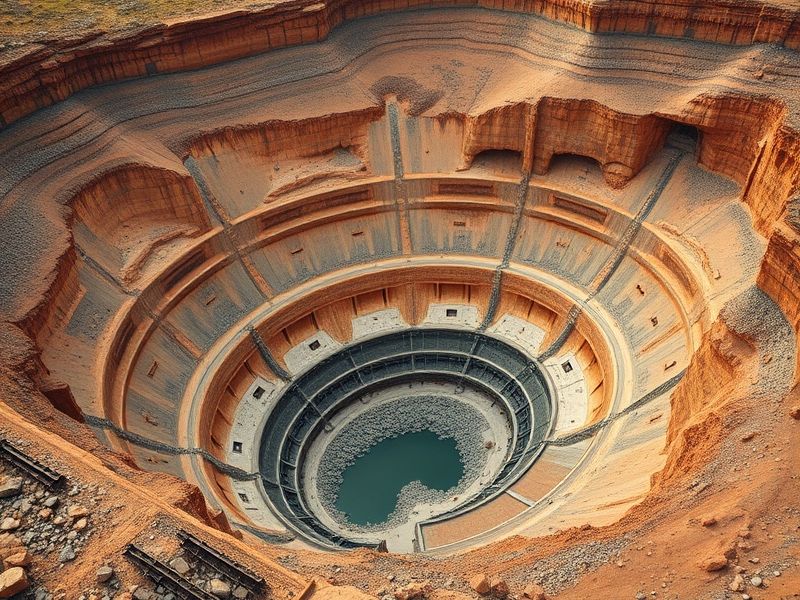
Now, let's not forget copper. Copper is everywhere in green tech — it’s used in wind turbines, solar panels, and pretty much any device that needs to conduct electricity efficiently. If I’m not mistaken, the demand for copper has skyrocketed in recent years. But, and get this, the mining process for copper can be devastating for the environment. I’m talking about massive tailing ponds, water pollution, and deforestation. It’s like, wow, this is amazing that we have these technologies, but the cost is kind of high, isn’t it?
To be honest, I admit I struggle with this contradiction. On one hand, green energy is essential for combating climate change. But on the other hand, the methods used to extract the materials needed for these technologies can be really damaging. I’m not sure if you’ll agree, but it feels like we’re trading one problem for another. That’s a tough pill to swallow, especially when we’re all striving for a more sustainable future.
Oh, and another thing — it’s not just the miners who suffer. The communities around these mines often deal with the repercussions too. Water contamination, soil erosion, and health issues are pretty common. It’s just that… I guess you could say it's a double-edged sword. We need the minerals, but the extraction process can do a number on the people and the land.
It’s funny, because when I first started researching this, I thought it would be straightforward. Man, I was wrong. The more I dug, the more layers I found. Like, have you ever stopped to think that the very things we use to combat climate change might be causing their own set of problems? Kind of blows your mind, doesn’t it?
Now here’s where it gets interesting. There are companies out there trying to do better. For example, Glencore’s Kamoto mine in the DRC has been implementing some safety measures and community engagement programs. (Check out the article I published on this — it’s really insightful.) But let’s be real, it’s a slow process, and the scale of the issue is massive. We need more than just a few good actors; we need systemic change.
Speaking of systemic change, it’s important to note that the impact of these mines isn’t limited to the immediate area. Environmental degradation can have far-reaching effects, affecting entire ecosystems and the global climate. I mean, we’re all connected, right? It’s not just about one local community or one country. We’re all part of this big, intricate web.
But let’s change subjects for a bit. I’ve been reading a lot about supply chain transparency lately. It’s like, if we want to fix the issues with cobalt and copper mining, we need to trace where these materials are coming from and hold companies accountable. I won’t lie, it’s a lot easier said than done. But it’s crucial. You know, in an ideal world, every battery and solar panel would have a transparent supply chain showing exactly where the materials came from and under what conditions they were extracted.
So then, we’re faced with a dilemma. How do we balance the urgent need for green energy with the ethical and environmental concerns of mining cobalt and copper? It’s a question that keeps me up at night. Maybe I’m wrong, but I feel like we’re not asking it enough. We need to address it head-on, and fast. After all, the transition to green energy isn’t just about switching to cleaner technologies; it’s about doing so in a way that doesn’t harm people and the planet.
That reminds me of a conversation I had last week with a friend who works in renewable energy. He was telling me about the latest innovations in mining techniques that could reduce the environmental footprint. I tend to be skeptical, but it’s promising stuff. Still, we need to see it in action and ensure it’s not just a Band-Aid solution. We’ll dive deeper into this next, but for now, just bear in mind that there are potential pathways forward.
Let me tell you something — the more I learn about this, the more passionate I get about finding solutions. We’ve got to figure this out together. I’m pretty optimistic, though. I think if we can raise awareness and put pressure on the right places, we can make a difference. And get this, there are some really cool initiatives out there, like the Responsible Minerals Initiative, which aims to promote responsible sourcing practices. It’s more than just a nice idea; it’s something we can all get behind.
But, you know what? Better not talk about this now. I don’t want to overload you with too much info. Instead, I’m gonna wrap it up here and let those thoughts simmer. I hope you see the importance of this issue, and I encourage you to do your own digging. It’s a topic that really matters, and it’s one we can’t afford to ignore.
Pathways to Ethical Sourcing and Solutions
Alright folks, we’ve been diving deep into some pretty heavy topics so far. We’ve talked about the critical role of cobalt and copper in powering our green energy future, but the dark side of their extraction is something we can’t ignore. So, what can we do about it? How do we ensure that the minerals we rely on aren’t coming at the cost of human dignity and environmental health? That’s what we’re going to explore in this chapter.
First off, let’s talk about corporate responsibility. Man, this bugs me—companies often hide behind a veil of ignorance or claim it’s too complex to track every aspect of their supply chains. But here’s the thing, they have the resources and the technology to do it. They just need to prioritize it. Companies like Glencore, for instance, have taken steps towards transparency in their Kamoto operations, which is a good start. Check out my earlier piece on this, here, for more on that.
So then, what are the actionable solutions we can push for? One key area is certifications. There are organizations out there working hard to create standards that ensure fair labor practices and ecological sustainability. But let's change subjects for a moment and talk about how we, as consumers, can drive this change. We all know that when companies feel the pressure from their customers, they tend to sit up and listen.

Supply chain transparency is another crucial step. When I was younger, I vaguely remember being amazed by how some brands could track every single component of their products. These days, we need more of that—especially for critical minerals. I’m not sure if you’ll agree, but it feels like we’re at a crossroads where every bit of traceability matters. And get this, some companies are even using blockchain technology to ensure that their supply chains are squeaky clean. Wow, that’s pretty groundbreaking.
Now, here’s where it gets interesting. Collaboration is key. No single entity can tackle this problem alone. Governments, non-profits, and corporations need to work together to enforce fair labor practices. Just yesterday, I read about a joint initiative between China Nonferrous and local governments to improve conditions in African mines. (and this is important) It’s a small step, but it shows promise. You can find out more about it on my blog, right here.
But let's not kid ourselves, this is a complex issue. Sure, certifications and technology are great, but they’re only part of the solution. We need to see real, tangible changes on the ground. And this is where consumer awareness comes in. You know, it’s kind of like that old saying, ‘vote with your wallet.’ When we demand ethically sourced materials, companies will have to respond.
I tend to believe that education is a powerful tool. Recently, I’ve been seeing more and more articles and documentaries highlighting the issues in mineral extraction. It’s important that we keep this momentum going. Maybe I’m wrong, but I feel like the more people know, the more likely they are to take action.
Oh, and another thing—corporate social responsibility (CSR) programs. While some might think these are just marketing gimmicks, there are actually some pretty solid initiatives out there. Last week, talking to a friend who works in the industry, I learned about a CSR program that focuses on providing better living conditions and healthcare for miners and their families. That’s a topic for another day, but it’s definitely worth looking into.
Supply chain audits are also a big deal. I won’t go into details, but companies can hire third-party auditors to check the conditions in mines and processing facilities. It’s not a perfect system, but it’s a damn sight better than nothing. And let’s face it, some form of external oversight is crucial.
Now, I admit I’m still learning about all this, but one thing stands out to me: the power of collective action. If enough of us demand change, it will happen. You know, it’s sort of like a grassroots movement. We’ve seen it work in other areas, and I’m pretty optimistic it can work here too.
But here’s the catch—ethically sourced minerals are often more expensive. I guess that’s the price we have to pay for a cleaner, fairer world. It’s just that… how can I explain it? Sometimes it feels like we’re being asked to carry the burden of corporate negligence. Which brings me to my next point—policy and regulation. Governments have a vital role to play in setting the standards and enforcing them. That’s a no-brainer, right?
And speaking of policy, we can’t forget about international cooperation. The global nature of mining means that local regulations alone won’t cut it. We need to see countries working together to create a level playing field. It’s more or less like a team effort, and everyone has to pull their weight.
To be honest, it can feel overwhelming, but remember that every little bit helps. I’ve talked about this before, but individual actions can lead to systemic changes. Whether it’s choosing to buy from brands that prioritize ethical sourcing or pushing for stricter regulations, we all have a part to play.
So, what can you do today? Well, maybe start by checking out those brands that are leading the charge. Like, I’m not saying you need to boycott everything immediately, but being informed is half the battle. And, you know, if you see a company making a sincere effort, give them a shout-out. It goes a long way.
That reminds me of a story. A while back, I was shopping for a new smartphone and decided to do some research. I was pretty surprised to find out that some manufacturers were already taking steps to source materials ethically. It made my decision a lot easier, and it felt good knowing my purchase wasn’t contributing to the problem.
Alright, so to wrap up, ethical sourcing isn’t just a buzzword—it’s a real, actionable goal. Certifications, supply chain transparency, and collaboration are just the beginning. We need to stay vigilant, keep pushing for change, and support those who are doing the right thing.
Next up, we’ll dive deeper into what the future holds and some innovative solutions that are on the horizon. Stay tuned, and thanks for reading!
🌙 If this resonated with you, what I left in the link will touch you even more. ✨ Sometimes, small discoveries make a big difference in our well-being. 🌿 I found something special that matches this moment of care and balance.
Change your life now https://amzn.to/3GedgiU
About
✨ My mission here is to spread knowledge and good ideas to the world in a simple way. Everything I share is the result of extensive research.
Comments
Post a Comment