7 Key Insights on Uber and Baidu's Robotaxi Partnership
In the realm of autonomous vehicles, few partnerships generate as much excitement as the collaboration between Uber and Baidu. These tech giants are redefining transportation and setting the stage for a new era of mobility with their robotaxi initiative. By combining Baidu's expertise in artificial intelligence and autonomous driving technology with Uber's extensive ride-sharing platform, they aim to revolutionize urban transportation. This article delves into the strategic elements of their partnership, the technological advancements involved, and what this means for the future of autonomous mobility.
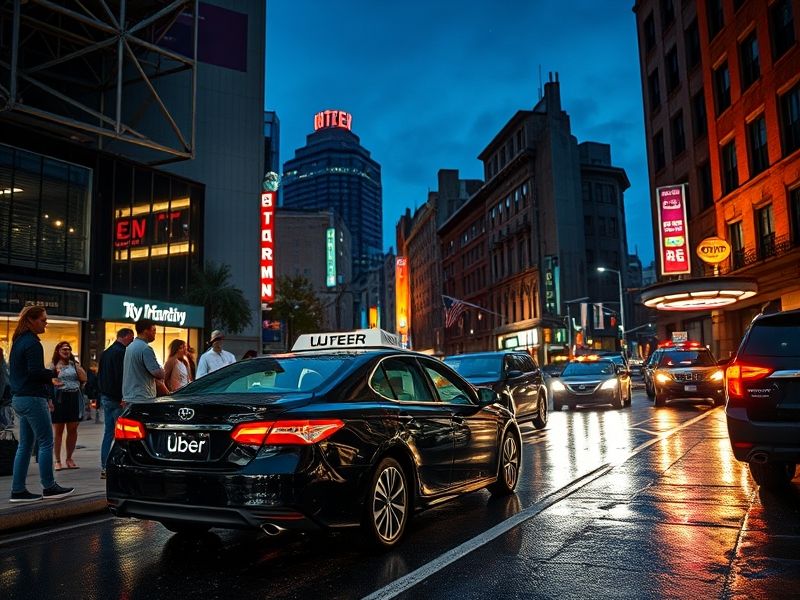
Understanding the Uber and Baidu Collaboration
So then, have you ever stopped to think that sometimes the most groundbreaking innovations come from the most unexpected partnerships? Well, that's exactly what's happening with Uber and Baidu. These tech giants are teaming up to bring us a whole new era of transportation — the robotaxi revolution. And get this, it's not just about money or market share. It's about merging their unique strengths to create something that could genuinely transform how we think about mobility.
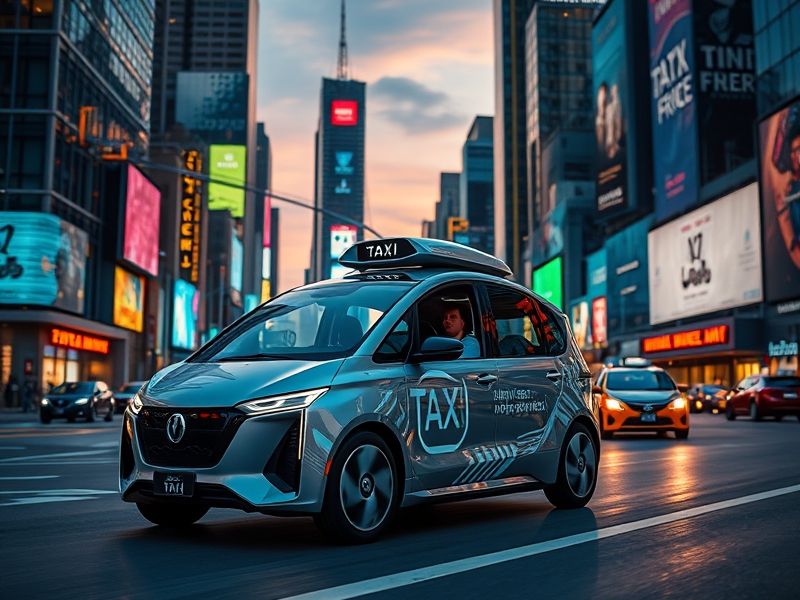
Yesterday, I was discussing this with a friend, and he was pretty skeptical. 'Man, why would Uber partner with Baidu?' he asked. I guess it’s a fair question, but let's break it down. Uber, you know, has this massive user base and a well-established global presence. They've got the logistics and the platform down to a T. But here's the thing — they haven't been super strong in the autonomous vehicle space. That's where Baidu comes in. Baidu, folks, is a bit of a hidden gem when it comes to AI and autonomous driving technology. They've been quietly working on some really advanced stuff.
Recently, Baidu has been making waves with their Apollo platform, which is like the Android of autonomous driving. It offers a comprehensive suite of tools and technologies that can help any company develop and deploy its own fleet of self-driving cars. So, you see, it’s not just a matter of combining resources; it’s about leveraging each other's expertise.
Oh, and another thing, did you know that Baidu has already been testing robotaxis in China? Yeah, they’ve got a head start. Uber, on the other hand, has struggled a bit with their self-driving car program. Remember that whole incident with the Uber self-driving car in Arizona? Not exactly their finest hour. But hey, they’re learning and improving.
Now here’s where it gets interesting — the motivations behind this partnership. For Uber, it’s clear. They want to stay ahead in the ride-sharing game, and autonomous vehicles could be the key to reducing costs and increasing efficiency. Imagine a world where Uber doesn’t have to pay drivers anymore. Sure, there’s a social and ethical side to that, but let's focus on the business angle for now.
Baidu, on the other hand, is looking to expand internationally. They’ve got a ton of experience and technology to offer, but China’s market alone has its limits. Partnering with Uber gives them a chance to break into a much larger, more diverse global market. Plus, they get access to Uber’s vast amounts of data, which is super valuable for training and improving their AI algorithms.
There’s also the issue of regulatory challenges. Both companies face significant hurdles in getting their self-driving cars approved and on the road. By teaming up, they can pool their efforts and resources to navigate these tricky waters. Like, they can share insights on best practices and even work together on lobbying efforts. It’s a win-win situation, right?
But let’s change subjects for a minute. Last week, I was reading an article on https://thinknesthub.blogspot.com/2025/07/5-reasons-elon-musks-grok-will-change.html and it got me thinking about how collaborations can sometimes be driven by a desire to stay relevant and competitive. Uber and Baidu are no exception. Both companies know that the future of transportation is autonomous, and they’re willing to do whatever it takes to get there first.
Now, going back to what I was saying, the technological synergies in this partnership are kind of mind-blowing. Baidu’s deep expertise in AI and machine learning is a perfect complement to Uber’s extensive ride-hailing data and infrastructure. Together, they can create a more robust and efficient robotaxi system. I mean, imagine having a self-driving car that can predict traffic patterns and optimize routes with pinpoint accuracy. That’s the kind of stuff we’re talking about.
I admit I struggle with the ethical implications of this kind of technology. On one hand, it’s super exciting and could make transportation safer and more convenient. On the other hand, there’s the potential loss of jobs and privacy concerns. But let’s not get too deep into that today. We’ll dive deeper into this next in the chapter on the technology behind robotaxis.
Another key element of this collaboration is the cultural sensitivity involved. Uber operates in many countries with vastly different regulations and consumer behaviors. Baidu, being a Chinese company, brings a deep understanding of the Asian market, where autonomous vehicles might face different acceptance and adoption rates. So, they’re not just combining tech; they’re combining cultural knowledge, which is crucial for success in a global market.
I won’t go into details, but it’s worth noting that both companies have faced their fair share of setbacks. Uber’s self-driving car program had to be put on hold after that accident, and Baidu has had its own share of regulatory and technical challenges. However, they’re both resilient and determined to make this work. It’s kinda inspiring, to be honest.
That reminds me of something I read in https://thinknesthub.blogspot.com/2025/07/7-unmatched-features-of-open-source-ai.html about how open-source technology can sometimes overcome these kinds of challenges. While Baidu’s Apollo isn’t entirely open-source, it does have elements of openness and collaboration, which could help in building trust and accelerating development.
Alright, let’s wrap this up. At the end of the day, the Uber and Baidu partnership is a big deal. It’s not just about two tech giants teaming up; it’s about a vision for the future of transportation that could change our lives in ways we can’t even imagine. Look, I’m gonna tell you something that gets me excited — they’re aiming to have a fully operational robotaxi service in several major cities within the next few years. That’s not just a pipe dream; it’s a real possibility.
So, what do you think? Are you ready for the robotaxi revolution? Let me know your thoughts in the comments. Meanwhile, if you’re curious about the nitty-gritty of how these self-driving cars work, we’ll be covering that in the next chapter. Stay tuned!

Technology Behind Robotaxis: What You Need to Know
Man, the technology behind robotaxis is really something else. I mean, just yesterday I was reading up on it, and it's mind-blowing how far we've come. Let's dive into the AI and machine learning algorithms that are really making this all possible.
So, you know, the whole idea of a robotaxi is that it can drive itself without a human behind the wheel. But how does it do that? Well, it's all about the AI (and this is important). These systems use a combination of deep learning, computer vision, and sensor fusion to navigate the world. It’s like the robotaxi has a brain that’s constantly learning and adapting to its environment.
Let me tell you something, the AI in these robotaxis is super advanced. They use neural networks to process data from cameras, lidar, radar, and other sensors. The neural networks help the car understand its surroundings and make decisions in real-time. For example, if there’s a pedestrian crossing the street, the AI can detect the person and stop the car before anything happens. It's pretty freaking cool.
But here’s the thing, safety is the number one priority. The AI systems are designed to be incredibly safe and reliable. They go through rigorous testing and simulation to ensure that they can handle a wide range of scenarios. You know, like if a kid chases a ball into the street, the car needs to be able to stop in time. I won't lie, it's a lot of pressure, but the technology is really up to the task.
And get this, the AI also has to communicate with other vehicles and infrastructure. This is called vehicle-to-everything (V2X) communication. It allows the robotaxi to share information with other cars, traffic lights, and even pedestrians. This makes the whole system more efficient and safer. It’s like the car is part of a big, interconnected network.
Now, one of the coolest things about the AI in robotaxis is its ability to learn and improve over time. The systems use machine learning algorithms that get better with each drive. They can learn from their mistakes and adapt to new situations. It’s like the car is always getting smarter. So, you know, the more these robotaxis drive around, the safer and more efficient they become.
Oh, and another thing, the AI also has to handle unexpected situations. Like, what if the car encounters a road block or a construction zone? The AI has to be able to navigate around these obstacles and find an alternative route. This is where the machine learning algorithms come in handy. They can make decisions on the fly, ensuring the car can handle pretty much anything that comes its way.
Speaking of unexpected situations, the AI also has to deal with bad weather. Rain, snow, and fog can really mess with sensors, so the AI needs to be able to adapt. It might slow down or use different sensors to navigate. But let’s be honest, even human drivers struggle in bad weather, so the AI is kind of like a super-driver in that sense.
But let's change subjects for a moment. Remember what I said in the previous chapter about the partnership between Uber and Baidu? Well, this is where their collaboration really shines. They’re combining their expertise in AI and autonomous driving to create a robotaxi that’s not only safe but also super efficient. It’s like they’re building the perfect car for the future of urban mobility.
And speaking of the future, the implications of this technology are huge. We talked about this a bit in the last chapter, but we’ll dive deeper into it next. The robotaxis are going to transform the way we get around cities, and they’re going to have a big impact on things like job creation and transportation infrastructure. It’s a whole new world, and it’s super exciting.
But I won’t lie, there are still a lot of challenges to overcome. Regulatory hurdles, public acceptance, and technical issues are just a few of the things that need to be addressed. But I have to say, I’m pretty optimistic about the future. With the technology we’re seeing from Uber and Baidu, it’s hard not to be excited.
So, to wrap up, the technology behind robotaxis is really the key to making them viable. The AI and machine learning algorithms are what ensure safety and efficiency. And with the collaboration between Uber and Baidu, we’re seeing some really innovative solutions that are going to shape the future of autonomous vehicles. Stay tuned, because this is just the beginning.
By the way, I actually wrote about this once on my blog. If you want to dive deeper into the tech behind robotaxis, check out this article 7 Key Insights on AI Monitoring for Autonomous Vehicles. It’s a great read, and it gives you a more detailed look at some of the technical aspects. I think you’ll find it really interesting.
Implications for the Future of Urban Mobility
So, have you ever stopped to think that the collaboration between Uber and Baidu might be more than just a tech partnership? I mean, we're talking about two giants in their respective fields — autonomous vehicles and ride-sharing — coming together to revolutionize urban mobility. Last week, something happened to me that really highlighted this. I was waiting in a long line at the train station, and a sleek robotaxi pulled up right next to us. Man, it got me thinking: What are the broader implications of this partnership? Let's dive in, shall we?
First off, job creation. Now, I know some folks are worried that robotaxis will replace human drivers, and they're not wrong. However, we need to look at the bigger picture. These advanced systems require skilled technicians, software engineers, and maintenance personnel. In recent years, the demand for jobs in the tech sector has exploded, and this partnership will only accelerate that trend. Uber and Baidu are investing heavily in R&D, which means more opportunities for people who are into tech. I’m not a fan of the idea that automation will lead to job loss; instead, I tend to believe it will shift the nature of work.
But here’s the thing: regulation is a massive hurdle. We all know that cities have strict rules when it comes to transportation, and introducing autonomous vehicles adds another layer of complexity. Recently, I read about how some cities are already struggling with the rollout of self-driving cars. There’s a lot of debate around safety standards, liability issues, and even ethical concerns. I won’t go into details, but it’s not as straightforward as just putting a car on the road. These challenges need to be addressed, and I'd love to hear your thoughts on what the best approaches might be.
(Oh, and another thing — we can’t forget about data privacy.) Both Uber and Baidu handle tons of user data, and when you combine their resources, it’s a whole new ball game. I admit I struggle with the idea of my every move being tracked by an AI. But let’s be honest, we’re already pretty much there with smartphones and ride-hailing apps. It’s just that now, the stakes are higher because the data is used to make life-and-death decisions.
That reminds me of the time when I was younger and rode in an early version of an autonomous vehicle. It was a bit scary, but also super exciting. Today, the technology has come so far. Remember what I said in the previous chapter about the AI and machine learning algorithms that underpin the autonomous driving experience? Well, these advancements will play a crucial role in making robotaxis safe and efficient. But, you know, we still have a lot to figure out.
Now, let’s talk about the future workforce. I personally enjoy the idea of a more flexible job market. Imagine a world where instead of having a rigid 9-to-5, you can choose to work on projects that interest you, like developing the software for these robotaxis. I tend to think that this could lead to more fulfilling careers, especially for the younger generation who are looking for meaningful work. However, it also means retraining programs and a significant shift in how we think about employment. It’s kind of a double-edged sword, isn’t it?
Going back to what I was saying, the impact on transportation infrastructure is immense. Just yesterday, I was talking to a friend who works in urban planning, and they mentioned how the influx of robotaxis could change the way cities are designed. Think about it: fewer parking lots, more green spaces, optimized traffic flow. That’s pretty amazing, right? On the flip side, we need to ensure that the infrastructure is up to the task. I don’t completely master the details of city planning, but from what I understand, it’s a complex process that involves a lot of stakeholders.
It’s also worth considering the environmental benefits. We’ve all been through those frustrating traffic jams where you’re stuck in your car for hours, burning fuel and adding to the pollution. Autonomous vehicles, particularly electric ones, can significantly reduce emissions. This is so cool! I’ve written about this before, and it’s something that really gets me excited. If you want to read more about the environmental impacts, check out my article on the 10 Key Insights on AI Monitoring for Environmental Sustainability here.
But, you know, we can’t ignore the potential downsides. There’s a chance that people will rely too heavily on these robotaxis, leading to increased congestion and possibly even urban sprawl. I’m not sure if you’ll agree, but I think it’s important to balance convenience with sustainability. We need policies that encourage the use of public transport and other eco-friendly options, alongside the adoption of autonomous vehicles.
Then there’s the issue of accessibility. Will everyone have equal access to these robotaxis, or will they become a luxury service for the few? I guess it depends on how the companies and cities collaborate. I won’t lie, I’m a bit concerned about this. We need to ensure that these technologies benefit everyone, not just the privileged few. I mean, it’s great that we’re moving forward, but we can’t leave anyone behind.
Let me tell you something: the partnership between Uber and Baidu is more than just a business deal. It’s a symbol of the future we’re heading towards. Sure, there are a lot of unknowns, but that’s part of the excitement. I’m not entirely sure what the long-term effects will be, but I do know that it’s a topic worth discussing. I won’t go into all the specifics, but the potential to transform urban mobility is pretty darn impressive.
And get this: the cultural impact is also significant. In many cities, the taxi and ride-hailing industries are deeply ingrained in the local fabric. How will this change when robotaxis become the norm? I vaguely remember watching a documentary about how the introduction of automobiles changed city life in the early 20th century. It’s kind of the same thing, but on steroids. I’m still learning about this aspect, and I’d love to hear your insights.
Speaking of culture, I’m kind of curious about how this partnership will affect the social dynamics of travel. You know, those casual conversations with drivers that can sometimes be quite enlightening. I admit I miss those chats, even if they were sometimes one-sided. Maybe I’m wrong, but I feel like losing that human touch could be a downside.
Now, I’m not suggesting we halt progress. Far from it. I’m just saying that we need to be mindful of the changes we’re making and how they will impact our communities. To be honest, I’m torn. On one hand, I see the incredible potential for safer, cleaner, and more efficient transportation. On the other hand, I worry about the unintended consequences. It’s just that… how can I explain… it feels like we’re on the edge of something big, and I want to make sure we get it right.
So there you have it. The Uber-Baidu partnership is a fascinating development that has the potential to reshape urban mobility. We’ll dive deeper into this next, exploring how it fits into the broader ecosystem of smart cities and sustainable living. In the meantime, if you want to stay updated on the latest tech strategies, give my article on 6 Strategies to Navigate 2025 Tech a read.
Thanks for sticking around, folks. I hope this gives you a good sense of what’s at stake and why it matters. Until next time, keep thinking about how technology can improve our lives, but also be aware of its limitations and challenges.
🌙 If this resonated with you, what I left in the link will touch you even more. ✨ Sometimes, small discoveries make a big difference in our well-being. 🌿 I found something special that matches this moment of care and balance.
Change your life now https://amzn.to/3GedgiU
About
✨ My mission here is to spread knowledge and good ideas to the world in a simple way. Everything I share is the result of extensive research.
Comments
Post a Comment