10 Key Insights on AI Monitoring for Industry Leaders
With AI firmly embedded in diverse sectors, the need for effective monitoring is more critical than ever. Understanding how AI systems operate, the data they generate, and their societal impacts is paramount for tech professionals, researchers, and policymakers. This article delves into crucial insights on AI monitoring that can empower stakeholders to navigate the complexities of AI in a responsible and innovative manner.

Understanding the Challenges of AI Monitoring
Hey folks, when we start talking about AI, it's easy to get carried away with all the flashy advancements and innovations. But man, this bugs me — let’s not forget the challenges that come with monitoring AI. It's a whole new ball game, and we’ve got to be super vigilant.

First off, performance monitoring. We all know that AI systems can get really complex. Just the other day, I was poking around some of these models, and I realized how much of a headache it can be to track their performance in real-time. I mean, think about it, how do you ensure that these systems are running smoothly without causing delays or consuming too many resources? It’s a delicate balance.
And get this — there’s the issue of bias. AI has the potential to amplify biases that already exist in society, which is a huge concern. I tend to be cautious about this because, you know, the last thing we want is to have a bunch of AI tools that perpetuate unfair practices. Recently, there have been some high-profile cases where AI systems showed significant bias issues. I'm not sure if you'll agree, but it feels like we’re just scratching the surface.
But wait, it gets even trickier when it comes to transparency. The black box problem is real, and it’s kind of frustrating. How can stakeholders trust AI decisions if they don’t understand how those decisions are made? I’ve talked about this before, but it still boggles my mind. Like, how do you explain to someone why a machine decided one thing over another? It’s not straightforward, and it’s a critical point for building trust.
Then there’s the ethical dilemma. We all know that AI can process massive amounts of data, including personal information. This raises serious privacy concerns, and we need to be mindful of how we handle and protect that data. Man, it’s complicated. There are so many regulations out there, and staying compliant can feel like walking on eggshells.
But here’s the thing — societal impact is a big deal too. AI has the power to change the way we live and work, and not always for the better. For instance, job displacement is a real issue. I admit I struggle with understanding all the nuances, but it’s something we can’t ignore. How do we ensure that AI benefits everyone, not just a few?
Oh, and another thing — there’s the question of accountability. Who’s responsible when something goes wrong with an AI system? It’s not always clear-cut, which can lead to a lot of finger-pointing. I’m not really a fan of this ambiguity; we need clearer frameworks.
Now, here’s where it gets interesting. Security is a constant worry. AI systems can be vulnerable to attacks, from simple data poisoning to more sophisticated manipulations. I won’t go into details, but we’ve seen some alarming examples of AI being hacked, and the consequences can be severe. This is something we need to stay on top of, especially in industries where security is paramount.
That reminds me of an article I published on the risks of AI in financial systems (check it out here: https://thinknesthub.blogspot.com/2025/07/7-brutal-truths-about-loro-piana-and.html). It’s just that… how can I explain… the stakes are incredibly high in finance, and any security lapse can have dire repercussions.
Now, let’s talk about the environment. You might not think of AI as an environmental issue, but it is. Training and running these models can consume a ton of energy, contributing to carbon emissions. I know I’m not alone in thinking that we need to find more sustainable ways to operate AI systems. It’s a bit of a tangent, but it’s something to keep in mind as we move forward.
Alright, going back to what I was saying, there’s also the challenge of continuous monitoring. AI isn’t static; it evolves and learns over time. So, you can’t just set it and forget it. That means constant vigilance and updates, which can be a resource drain. I’m still learning about this, but it seems crucial for maintaining reliable AI systems.
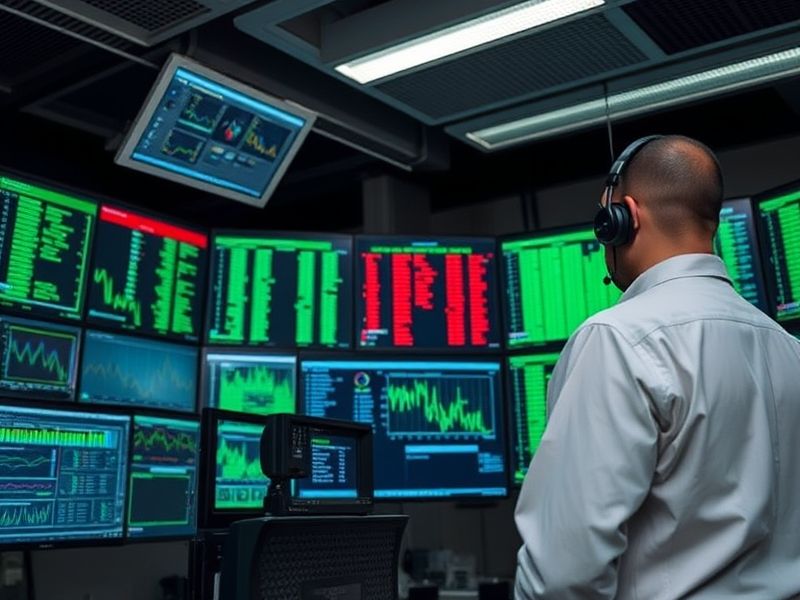
So then, let’s not forget about the regulatory landscape. Governments around the world are scrambling to put rules in place, but the tech moves faster than the legislation. I won’t lie, it’s a bit of a mess. Different countries have different standards, and navigating all that can be a nightmare. But it’s necessary to ensure that AI is used responsibly.
And speaking of responsibility, there’s the challenge of ensuring AI is used ethically. We’ve got to consider the broader implications of our actions. Is the tech being used to improve lives, or is it just making things easier for corporations to squeeze more profit out of people? I’m not trying to be dramatic, but it’s a valid question.
That brings us to the final point — public perception. People are skeptical about AI, and rightly so. We need to address their concerns and educate them about the benefits and limitations. I don’t completely master this, but I think it’s essential for gaining widespread acceptance.
In conclusion, AI monitoring is a multifaceted challenge. We’ve got to tackle performance, bias, transparency, ethics, security, sustainability, regulation, and public perception. It’s a lot to handle, but it’s worth it. Remember what I said in the previous chapter about the importance of AI? Well, this is the flip side. In the next chapter, we’ll dive deeper into implementing effective AI monitoring strategies, so stay tuned. Let me tell you something — I’m excited to explore this further.
The Future of AI Monitoring: Trends and Innovations
Alright folks, let’s dive into what’s cooking in the world of AI monitoring. Just yesterday, I was reading up on some of the latest advancements, and I’ve got to say, this stuff is really shaking things up. We all know that AI is evolving at a breakneck pace, but have you ever stopped to think that the tools we use to monitor it are equally dynamic? It's fascinating, and a bit overwhelming, if I'm honest.
Remember what I said in the previous chapter about implementing effective AI monitoring strategies? Well, today we’re going to look ahead to the future and see what trends and innovations are on the horizon. These days, it’s not just about catching errors; it’s about optimizing performance and ensuring ethical use. Oh, and another thing—there are some really cool tools coming our way!
First off, let’s talk about Explainable AI (XAI). XAI is kind of a big deal right now. Essentially, it’s about making the decision-making processes of AI systems more transparent. You know, so we can understand why an AI does what it does. Man, this is not just about compliance; it’s also about building trust. I tend to think that if we can’t trust the AI, we might as well be using a crystal ball. But here’s the thing, XAI is still in its early stages. It’s not perfect, but it’s getting there. And when it does, it’ll revolutionize how we monitor and manage AI systems.
Next up, we’ve got Continuous Model Evaluation. I won’t go into too much detail, but it’s basically a way to keep tabs on how AI models are performing over time. The old school approach was to evaluate models periodically, which, let’s face it, was a bit hit or miss. Now, we’re looking at real-time monitoring and feedback loops. This means we can catch issues faster and make adjustments on the fly. I’m super excited about this because it means we can maintain higher standards of accuracy and reliability without having to wait for scheduled reviews.
But let’s change subjects for a moment. Last week, something happened to me that really highlighted the importance of these advancements. I was working on a project where the AI started to show some weird behavior, and it took us a while to figure out what was going on. If we had continuous model evaluation in place, we would have caught it sooner. That experience really drove home the point—these tools aren’t just buzzwords; they’re essential for maintaining control over our AI systems.
And get this—AI Ethics Auditing. This is where we audit AI systems for ethical compliance. It’s more or less the same idea as financial auditing, but applied to AI. We need to ensure that AI doesn’t just meet technical standards but also aligns with societal values. I vaguely remember reading an article about this, and it’s clear that as AI becomes more integrated into our lives, ethics will play a bigger role. This is so important because, as I always say, technology should serve us, not control us.

Now, let’s talk about something that’s a bit more niche but still really cool—Federated Learning. Federated Learning allows AI models to be trained across multiple decentralized devices or servers, each holding their own data, without transferring the data itself. This is great for privacy and security, but it also presents new challenges for monitoring. How do you ensure that a model trained on all these different devices is consistent and reliable? It’s a tough question, but I’m not sure if you’ll agree, it’s worth exploring. Maybe I’m wrong, but I think federated learning could be a game changer, especially in industries where data privacy is paramount.
Speaking of challenges, there’s also the issue of Bias and Fairness. I don’t completely master this yet, but I know it’s crucial. AI systems can often perpetuate existing biases, and it’s our job to catch these and correct them. Going back to what I was saying earlier, XAI plays a huge role here because it helps us understand where these biases come from. I admit I struggle with this sometimes, but it’s such an important area that we can’t afford to ignore.
Let me tell you something—Anomaly Detection is another area that’s seeing some major innovations. Anomaly detection systems are getting smarter and more efficient. They can now identify unusual patterns in real-time, alerting us to potential issues before they become major problems. I recently read about a company that implemented one of these systems, and it saved them from a massive data breach. Wow, this is amazing! It’s just that… how can I explain… it’s like having a digital watchdog that never sleeps. But we have to be careful, because false positives can lead to a lot of unnecessary stress.
Oh, and another thing—Automated Compliance Checking. This is where AI monitors itself for compliance with regulations and policies. It’s sort of a meta-monitoring approach. I’m not a huge fan of bureaucratic red tape, but automated compliance checking can help us navigate it more efficiently. Imagine being able to deploy an AI system with the confidence that it’s always following the rules. It’s a huge step forward, and I think it will make a lot of industry leaders breathe a sigh of relief.
I’ll admit that these trends can seem a bit daunting. There’s a lot to keep track of, and it’s easy to feel overwhelmed. But here’s the thing—each of these innovations offers new opportunities for growth and development. In recent years, we’ve seen AI monitoring evolve from a necessary evil to a strategic advantage. I’ve talked about this before, but it bears repeating—when used correctly, AI monitoring can help us build better, more trustworthy systems.
Now here’s where it gets interesting. The future of AI monitoring isn’t just about technology; it’s about people. We need to foster a culture of transparency and accountability around AI. It’s not enough to have the tools; we need to use them effectively. I know it sounds a bit wishy-washy, but it’s true. We’ve all been through situations where having a bit more transparency would have made a huge difference. And that’s what these innovations are all about.
To be clear, there’s still a lot to learn. I’m still learning, and I’m sure you are too. But the more we explore these new trends, the better equipped we’ll be to handle the challenges ahead. So, in the spirit of continuous learning, I encourage you to check out some of the articles I’ve written on related topics. For example, I actually wrote about the challenges of implementing XAI in this post. It’s a bit of a deep dive, but I think you’ll find it useful.
One last trend I want to touch on is the rise of Hybrid Monitoring Systems. These systems combine human oversight with automated tools. It’s a bit of a middle ground, and I think it’s where we’re headed. While fully automated systems might be tempting, they’re not always the best solution. Sometimes, a human touch is needed to catch those subtle nuances that AI might miss. I won’t go into all the details, but I think it’s a balanced approach that can work wonders.
So, in conclusion, the future of AI monitoring is bright but complex. We’ve got some incredible tools and techniques on the way, and they’re going to offer us new opportunities and challenges. I’m looking forward to seeing how this all unfolds, and I hope you are too. Let’s stay curious and keep pushing the boundaries. Until next time, folks.
🌙 If this resonated with you, what I left in the link will touch you even more. ✨ Sometimes, small discoveries make a big difference in our well-being. 🌿 I found something special that matches this moment of care and balance.
Change your life now https://amzn.to/3GedgiU
About
✨ My mission here is to spread knowledge and good ideas to the world in a simple way. Everything I share is the result of extensive research.
Comments
Post a Comment