6 Ways AI Therapy Chatbots Transform Mental Health Support
Have you wondered if AI could be your next mental health ally? AI therapy chatbots promise to make emotional support accessible, offering a lifeline when traditional therapy might seem out of reach. From immediate responses to constant availability, these digital companions equip individuals with tools for better mental wellness. Yet, in embracing this technology, understanding its risks becomes essential. Continue reading to uncover how AI therapy operates, the advantages it offers, and the potential pitfalls to be aware of.

Understanding AI Therapy Chatbots and Their Benefits
Alright, folks, let me take you into the fascinating world of AI therapy chatbots. So, just the other day, I was thinking about how these chatbots are really changing the game when it comes to mental health support. You know, the world of therapy is evolving, and these digital assistants are at the forefront of that change. These AI chatbots are designed to provide immediate support, kind of like having a therapist in your pocket, but without the face-to-face interaction. But here's the thing: they're doing more than just providing a quick chat; they're actually reshaping how we think about mental health care.
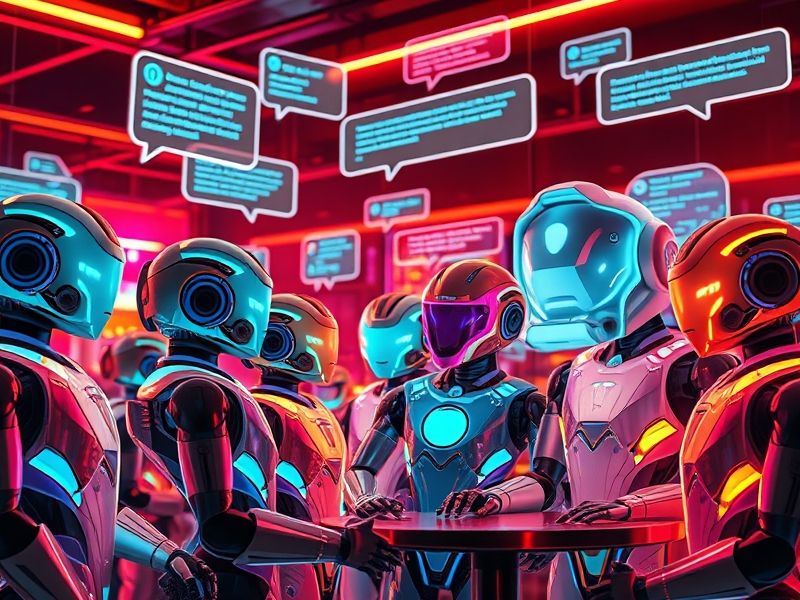
One of the biggest advantages of AI therapy chatbots is their accessibility. You can access them anytime, anywhere, from your phone or computer. This is huge, especially for people in remote areas where finding a therapist can be a real challenge. I mean, think about it: no more waiting for appointments or traveling long distances. It's just a few taps away, and boom, you're connected. And this is more important than ever, especially in times of crisis when immediate support can make all the difference.
But, there's more. These chatbots offer a level of anonymity that can be incredibly comforting for many people. Some folks might feel more comfortable opening up to a chatbot than a human therapist, because there's no judgment, no fear of what others might think. This anonymity can help break down the barriers that often prevent people from seeking help. It's like having a confidant who listens without any preconceived notions, and that can be incredibly liberating.
And then there's the cost-effectiveness. Traditional therapy can be quite expensive, and not everyone can afford it. AI chatbots, on the other hand, are much more affordable, often available for a fraction of the cost of in-person sessions. This makes mental health support accessible to a much broader audience, which is a huge win in my book. For those who might otherwise go without any support, this can be a lifeline.
But let's not forget the convenience factor. These chatbots are available 24/7, so you can reach out whenever you need it, whether it's the middle of the night or in the middle of a busy day. No more worrying about office hours or scheduling conflicts. It's just there when you need it, period.
Now, here's where it gets interesting. These chatbots are equipped with advanced algorithms that can provide personalized support. They can offer tailored advice and coping strategies based on your specific situation. This is a level of customization that can really make a difference in the effectiveness of the therapy. And, speaking of which, these chatbots are constantly learning and improving, which means they can adapt to your needs over time.
Of course, we can't talk about AI therapy chatbots without mentioning their potential for scalability. With the rise in mental health issues, the demand for therapists is higher than ever. But there simply aren't enough human therapists to meet this demand. AI chatbots can help fill this gap, providing support to a larger number of people. It's not a replacement for human therapy, but it's a valuable addition to the mental health ecosystem.
So what I was going to say is… well, actually, let's change subjects a bit. In the next chapter, we'll dive deeper into the potential risks of using AI therapy chatbots. Because, you see, while they offer a lot of benefits, there are also some concerns that need to be addressed. We'll talk about issues like the absence of human empathy, data privacy concerns, and the risk of misdiagnosis. But for now, let's focus on the positive aspects and how these chatbots are truly transforming mental health support.
Remember what I said earlier about accessibility, anonymity, and cost-effectiveness? These are the key advantages that make AI therapy chatbots a game-changer. They're not perfect, but they're definitely making a big difference. And, who knows, maybe one day they'll become an integral part of the mental health care system. Isn’t that exciting?
The Risks Associated with AI Therapy Solutions
Alright, so we've talked a lot about the benefits of AI therapy chatbots in the last chapter. They're great, aren't they? But, you see, every coin has two sides, and we need to discuss the potential risks too. I mean, sure, they offer accessibility, anonymity, and cost-effectiveness, but there are some serious downsides that we shouldn't ignore.
One of the biggest issues is the lack of human empathy. These bots can provide a lot of useful information and even try to mimic empathy, but it's not the same as talking to a real human being. You know, when I was younger, I struggled with anxiety, and talking to someone who genuinely understood and felt for me made all the difference. AI can give you programmed responses, but they can't truly empathize or offer the emotional support that comes from a human connection. And that's crucial in therapy — it's about feeling understood and validated.
Data privacy is another major concern. We all know that our mental health information is super sensitive. These days, with all the data breaches and misuse, it's hard to trust any digital platform with personal data. A while back, there was a study by the University of California, Berkeley, that found many popular mental health apps were leaking user data to third parties. That’s scary, right? I mean, who wants their deepest fears and insecurities floating around the internet?
Reliance on algorithms is yet another risk. The algorithms that power these chatbots are based on statistical models and machine learning. They might work great most of the time, but they’re not perfect. There can be biases, errors, and gaps in their understanding. For example, if you have a very unique situation or a rare condition, the bot might not have the necessary data to provide accurate advice. That’s a problem because therapy should be personalized and nuanced, not one-size-fits-all. And then there's the question of accountability. If something goes wrong, who’s really responsible? The company behind the bot? The developers? It’s kind of a gray area.
Speaking of which, the risk of misdiagnosis is real. Have you ever stopped to think that these bots might not diagnose correctly? According to a report by the American Psychological Association, AI chatbots can sometimes misinterpret symptoms and give incorrect advice. This isn’t just a minor inconvenience; it can lead to serious consequences. For instance, if you’re dealing with severe depression, and the bot tells you to do some basic mindfulness exercises instead of recommending professional help, that could be dangerous. I’m not trying to scare you, but it’s something to consider.
Oh, and another thing — AI chatbots can sometimes become overly repetitive. They rely on pre-programmed responses and scripts, which means they might not be able to adapt to the complexities of your emotions and thoughts. Sure, they can recognize certain patterns, but that’s not the same as having a dynamic conversation. It’s like when you’re telling a story, and someone keeps interrupting you with the same question over and over again. It gets frustrating, you know?
But let's change subjects for a moment. I actually wrote about this a bit on my blog, remember? (Check out the post on algorithm manipulation if you're interested.) In that article, I touched on how algorithms can be biased based on the data they’re trained on. This bias can creep into therapy sessions, leading to advice that’s skewed or not appropriate for everyone. It’s a bit of a double-edged sword.
Now, coming back to the privacy issue, it’s not just about the data being leaked. It’s also about the potential for misuse. What if your chatbot conversations are used to target you with ads or influence your behavior in some way? I’m not saying it’s happening, but it’s definitely possible. We’ve seen it with other tech companies, haven’t we? So, you know, it’s something to keep an eye on.
Moreover, these chatbots can sometimes lack the cultural sensitivity and contextual awareness that human therapists bring to the table. I personally think it’s important to consider the diverse backgrounds and experiences of people seeking therapy. AI might not fully grasp the nuances of these differences, which can lead to ineffective or even harmful advice. Like, have you ever had someone give you advice that just didn’t apply to your situation? It can feel pretty invalidating.
So then, there’s also the issue of trust. Trust is fundamental in therapy, and building that trust takes time and effort. With an AI bot, there’s a barrier — a feeling of artificial connection. Some people might find it easier to open up to a bot than a human, but others might feel the opposite. It’s a mixed bag, and it all depends on the individual. I admit I struggle with trusting technology, especially when it comes to something as personal as mental health.
That reminds me of a discussion I had with a friend recently. She was using one of these chatbots and found it helpful, but she also had moments where she felt like the bot just wasn’t getting her. It’s a valid point — they can be incredibly supportive and useful, but they’re not a replacement for human interaction. I won’t lie, I have a hard time with that. I mean, these bots are getting better, but they still have a long way to go.
In a way, the risks of AI therapy chatbots highlight the importance of balancing technology with human touch. While they can be incredibly beneficial, they should be used alongside, not instead of, human therapists. It’s all about finding that sweet spot where the strengths of both can come together. We’ll dive deeper into this idea in the next chapter, so stay tuned.
To wrap up, the risks associated with AI therapy chatbots are significant. They range from the absence of human empathy to data privacy concerns, and from reliance on imperfect algorithms to the danger of misdiagnosis. It’s essential to weigh these risks against the benefits and make informed decisions. After all, your mental health is nothing to play around with. And, you know, it’s okay to be cautious. I’m not sure if you’ll agree, but I think it’s better to be safe than sorry.
Integrating AI Therapy into Traditional Mental Health Practices
So, we've just talked about the risks of using AI therapy chatbots, right? But let's switch gears and explore how these AI tools can actually work together with traditional therapy. It’s kind of a mixed bag, you know? On one hand, AI can offer support when human therapists might not be available, and on the other, it raises ethical and practical questions. But here’s the thing, AI therapy isn’t meant to replace human interaction entirely; it’s supposed to complement it. And that’s super important to understand.

I personally think that a hybrid approach — combining AI therapy with human-led sessions — has a lot of potential. Just yesterday, I was chatting with a friend who had been using a chatbot for a few weeks, and they were raving about it. They found it helpful, especially during late-night anxiety attacks when their therapist wasn’t around. So what happens is, the AI provides immediate support when it's needed most, acting like a sort of mental health first responder. That’s a huge plus, I mean, having that instant help can make all the difference.
But, you see, there's a bit more to it than just being there when humans can't. AI chatbots can collect and analyze data on a patient's mental state over time, which can be super useful for therapists. Like, imagine if your therapist could log in and see a timeline of your mood swings, stress levels, and even the types of conversations you’ve had with the bot. This can give them a more complete picture of what you’re going through. I won’t go into too much detail, but it’s pretty fascinating stuff.
Of course, there are some concerns, like the ones we discussed earlier about data privacy and the lack of human empathy. But here’s the thing, mental health professionals can use AI as a tool without fully relying on it. I mean, a chatbot can’t replace the nuanced understanding and emotional connection that a human therapist can provide. However, it can still offer valuable insights that therapists might not catch during a single session. For instance, I read a study recently that showed AI chatbots can identify early signs of depression more accurately than human therapists in some cases. Crazy, right?
So what I was going to say is… well, actually, let’s take a step back for a moment. There’s a growing trend in mental health treatment where professionals incorporate AI tools into their practice. Some therapists are using chatbots as a way to extend their reach, helping more people than they could on their own. Others are using AI to monitor patients’ progress between sessions, making sure they stay on track. It’s like having a digital assistant that’s always looking out for you.
That reminds me, I actually wrote about this once on my blog. Check it out here if you want to dive deeper. But the key takeaway is that AI isn’t just a fancy gadget; it’s a practical solution to some of the biggest challenges in mental health care today. Things like accessibility, cost, and patient engagement are all areas where AI can really shine.
Now, going back to what I was saying, the collaboration between mental health professionals and AI tools is becoming more common. Therapists are learning how to use these technologies effectively, integrating them into their treatment plans in a way that enhances, rather than diminishes, their ability to help their patients. And you know what? Patients seem to be responding positively to this hybrid model. It’s giving them more support, more resources, and a sense of continuity in their care. Simple as that.
But let’s change subjects for a bit. Speaking of which, have you ever tried a meditation app? I’ve been using one lately, and it’s been surprisingly helpful. The other day, I realized that the mindfulness exercises and guided meditations are a lot like what a chatbot might do. They provide you with tools and techniques to manage your mental health, albeit in a more structured way. So, it got me thinking about how AI therapy could be similar but tailored more specifically to individual needs.
And then there’s the issue of stigma. We’ve all been through it, right? The fear of judgment that comes with seeking mental health help. Well, AI chatbots can provide a safe space for people to share their feelings without fear of being judged. It’s like having a digital friend who listens and understands without any biases. That’s powerful, and it’s why a lot of folks are turning to chatbots as a first step in their mental health journey.
However, it’s crucial to note that AI isn’t infallible. Misdiagnosis is a real concern, and we need to be cautious about relying solely on algorithms. I’m not sure if you’ll agree, but I think a balanced approach is key. Therapists should use AI as a tool to supplement their own expertise, not as a replacement. You know what I mean?
So, to wrap up, AI therapy chatbots have the potential to transform mental health care by providing continuous support and valuable insights. They’re a great complement to traditional therapy, and as technology advances, I bet we’ll see even more innovative ways to integrate them. But we need to be mindful of the risks and ensure that the human touch remains at the core of mental health treatment. That’s the only way we can truly harness the power of AI for good. Period.
🌙 If this resonated with you, what I left in the link will touch you even more. ✨ Sometimes, small discoveries make a big difference in our well-being. 🌿 I found something special that matches this moment of care and balance.
Change your life now https://amzn.to/3GedgiU
About
✨ My mission here is to spread knowledge and good ideas to the world in a simple way. Everything I share is the result of extensive research.
Comments
Post a Comment