9 Key Impacts of Global Firms Exiting the Russian Market
The mass exodus of global firms from Russia has raised critical questions about the landscape of international business. With geopolitical tensions and regulatory shifts dominating the narrative, stakeholders must navigate the complexities of operating - or no longer operating - in this vast market. Understanding the implications of these decisions is paramount for economists, business strategists, and political analysts alike, as the ripple effects extend far beyond Russia's borders. This article delves into the driving forces behind current market exits and explores potential paths forward.

Understanding the Context: Why Global Firms are Exiting Russia
So, you've probably noticed a lot of global firms making the decision to pull out of Russia. It's a big deal, and there are a lot of factors at play. I mean, if you think about it, it's not like these companies are just leaving on a whim. There's a whole bunch of stuff going on that's pushing them to reconsider their roles in the Russian market. Let's dive into the why and the how of this whole situation.

Now, one of the main reasons companies are exiting is the geopolitical tension. The conflict in Ukraine, for example, has escalated to a point where staying in Russia is just not worth the risk. You know, these firms are dealing with international markets, and the last thing they want is to be seen as supporting a regime that's causing global instability. It's not just about the money; it's about the brand and the reputation.
But here's the thing: it's not just the conflict itself. The sanctions imposed by various countries and international bodies are a huge factor. Sanctions can hit companies hard, and the financial penalties for non-compliance are steep. So, you can see why firms are thinking twice about their presence in Russia. It's kind of a no-brainer, really.
And then there's the regulatory environment. The Russian government has been tightening the screws on foreign companies. They're passing laws and regulations that make it increasingly difficult to operate. It's like they're saying, 'If you want to play in our sandbox, you have to play by our rules.' Well, a lot of these companies are saying, 'No thanks.'
You know, I remember reading an article a while back — I think it was on this blog, actually — about the complexities of navigating international regulations. It’s not just about the laws on paper; it’s about the enforcement and the political climate. Companies have to weigh all these factors, and sometimes the scales tip in a direction that leads to exit.
But it's not just about the rules and regulations. Public opinion is a huge driver. Consumers, especially in Western countries, are becoming more conscious of where and how their products are made. They don't want to support companies that are seen as complicit in human rights abuses or other unethical practices. It's a matter of corporate responsibility.
I mean, these days, people are more connected than ever. News travels fast, and social media can turn a small issue into a major scandal in no time. Companies have to be really careful about how they're perceived. So, if staying in Russia means being associated with something negative, it’s a risk they're not willing to take.
And let's not forget the internal pressures. A lot of these firms are facing pressure from their own employees. The younger generation, in particular, is all about values and ethics. They don't want to work for a company that's seen as unethical, you know? It’s kind of like, 'If you want to keep the best talent, you have to show that you care about more than just profit.'
So, when you put all these factors together, it's no surprise that companies are reassessing their presence in Russia. It's a complex decision that involves a lot of different stakeholders. But at the end of the day, it comes down to risk management. Is the potential reward worth the risk? For a lot of these companies, the answer is no.
And that’s where we are now. Companies are pulling out, and it’s having a significant impact on both the firms and the Russian economy. We’ll dive deeper into this next, so stay tuned.
Remember what I said about the public opinion? Well, that’s a topic for another day, but it’s crucial to understand how it all fits together.
In the next chapter, we’ll look at the economic impact of these exits. It’s going to be interesting to see how the losses and opportunities play out.
So, what do you think? Have you ever stopped to think about the broader implications of these business decisions? It’s a lot to take in, but it’s important stuff.
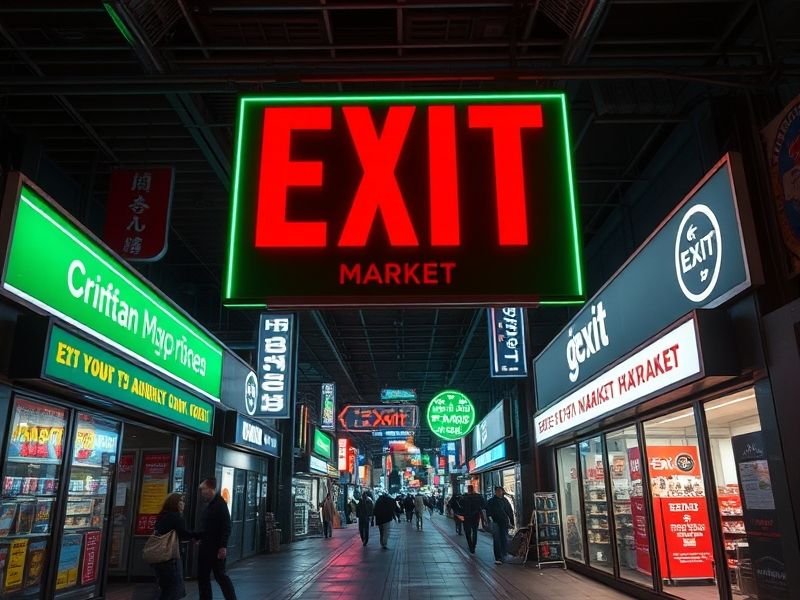
Thanks for reading, and I hope you’re as excited as I am to explore this further.
The Economic Impact: Analyzing Losses and Opportunities
So, we're diving into the economic impact of global firms exiting the Russian market. This is a big deal, you know? It's not just about companies leaving; it's about the ripple effects that touch everything from the financial health of these firms to the broader Russian economy. Let me break it down for you.
First, let's talk about the financial losses. When companies like McDonald's and Apple pull out, it's not like they're just closing a few stores. These are major players with significant investments. I mean, McDonald's alone has been operating in Russia since the early 1990s. They've built an extensive network, and shutting down operations and selling assets can lead to substantial write-offs. For these companies, it's a necessary evil, a strategic move to protect their brand and comply with sanctions, but it's definitely not a walk in the park.
And then there's the Russian economy. The loss of foreign investment and the departure of major brands can have a profound impact. You see, global firms often bring in advanced technology, management practices, and a whole ecosystem of suppliers and partners. When they leave, it's not just about the direct jobs; it's about the entire supply chain. This can lead to a slowdown in economic growth and a decrease in consumer confidence. People might start feeling the pinch, and that can spread like wildfire.
But here's the thing—despite the losses, there are potential opportunities that could arise from this market restructuring. For one, local firms could step up and fill the void left behind. I've talked about this before, but it's a real possibility. Local businesses have a unique advantage; they understand the market, the culture, and the regulatory environment. They might not have the same level of resources, but they can be nimble and adaptive. This could be their moment to shine.
And speaking of which, reduced competition can be a double-edged sword. On one hand, it can give local firms a chance to grab market share and expand their operations. On the other hand, it can stifle innovation and lead to complacency. It's a delicate balance, and it will be interesting to see how it plays out.
Now, let's look at specific sectors. For instance, the retail sector has been hit particularly hard. But you know what? This could also be a chance for local retailers to shine. They might not have the same brand recognition as global giants, but they can build strong local identities and offer unique, personalized experiences. That's something that global brands often struggle with.
Another sector to watch is technology. With tech giants like Apple and Google pulling out, there's a gap that local tech firms could fill. This could be a golden opportunity for Russian tech startups to innovate and gain a foothold in the market. They might even start exporting their products and services to other countries, who knows?
But here's the thing—sometimes, these opportunities are more theoretical than practical. The Russian market has its own challenges, like a less developed financial system and a less favorable business environment. These are obstacles that local firms will need to navigate. It's not going to be easy, but it's not impossible either.
And let's not forget about the consumer sentiment. People in Russia might be feeling a mix of emotions. On one hand, they might be unhappy about losing access to their favorite brands and products. On the other hand, they might be more open to trying local alternatives. It's a complex emotional landscape, and it will vary from person to person.
So, to sum it up, the exit of global firms from Russia presents a mixed bag of economic outcomes. There are significant financial losses, both for the companies and the Russian economy, but there are also potential opportunities for local firms to thrive. The key will be how these local businesses adapt, innovate, and capitalize on the changing market dynamics.
We'll dive deeper into this next, looking at how local businesses can navigate these challenges and seize the opportunities. It's a crucial moment, and it's going to be fascinating to see what happens next. Stay tuned for more on this.

Navigating the Future: The Role of Local Businesses
So, we've been talking about the exit of global firms from Russia, and the economic impact it's had. But there's another side to this story, and it's about local businesses. You see, while the big players are leaving, the stage is set for domestic firms to step up and fill the void. It's a pivotal moment, and it's not without its challenges, but there are some really exciting opportunities that come with it.
Just yesterday, I was talking to a local entrepreneur, and she was telling me about how they're adjusting to the new landscape. She said, 'It's kind of like a reset button has been hit. We have to rethink everything, but we also have a clean slate to work with.' And you know, she hit the nail on the head. This is important… actually, it's crucial for local businesses to not just survive but to thrive.
One of the key things I've noticed is the surge in innovation. Local companies are getting creative, pushing boundaries, and coming up with some really innovative solutions. Take, for example, a small tech startup in Moscow. They've been leveraging local talent and resources to develop cutting-edge software. It's not just about filling the gap left by the global firms; it's about doing it better, doing it in a way that's tailored to the specific needs of the Russian market.
But here's the thing: innovation isn't just about technology. It's also about business models, marketing strategies, and community engagement. I mean, local businesses have a unique advantage here. They understand the market, they know the culture, and they have strong ties to the community. They can respond more nimbly to changes and feedback.
And then there's the whole issue of supply chains. With global firms exiting, there's a ripple effect on the supply chain. Local businesses are stepping in to fill those gaps, ensuring that the flow of goods and services continues smoothly. It’s a bit like a relay race. The baton is being passed, and the local runners are picking up speed.
Speaking of which, I read a really interesting case study the other day about a local food company. They started small, but they had a vision. They saw the potential in the local market and went all in. They built strong partnerships, invested in local sourcing, and created a brand that resonated with their customers. Now, they're not just surviving; they're thriving. It’s a testament to what can be achieved with a bit of foresight and a lot of hard work.
Now, I’m not saying it’s easy. There are still significant challenges. The economic uncertainty, the political climate, and the global market dynamics all play a role. But, you know, that’s where resilience comes in. Local businesses have shown time and time again that they can adapt, pivot, and find new ways to succeed.
And get this: there’s a growing sense of community and collaboration. Local businesses are coming together, sharing resources, and supporting each other. It’s not just about competition; it’s about collective growth. This kind of solidarity is really powerful. It creates a supportive ecosystem that can help businesses weather tough times and capitalize on opportunities.
So, let’s not forget the human element. The people behind these businesses are the real drivers of change. They’re the ones who are putting in the hours, making the tough decisions, and leading the way. It’s their passion and commitment that will shape the future of the local business landscape in Russia.
To wrap up, the exit of global firms from Russia is a significant event, but it’s also a catalyst for local growth and innovation. It’s a time for local businesses to shine. They have the potential to not just fill the gaps left behind but to create something new, something better. And, in a way, it’s a bit like a phoenix rising from the ashes. I won’t go into details, but it’s a topic for another day. For now, let’s focus on the exciting possibilities ahead.
But hey, remember what I said in the previous chapter about the economic impact? It’s all interconnected. As we move forward, we’ll see more of these local success stories, and they’ll play a crucial role in the broader economic recovery. So, let’s keep an eye on this space. Who knows what the future holds?
🌙 If this resonated with you, what I left in the link will touch you even more. ✨ Sometimes, small discoveries make a big difference in our well-being.
Change your life now https://amzn.to/3GedgiU
About
✨ My mission here is to spread knowledge and good ideas to the world in a simple way. Everything I share is the result of extensive research.
Comments
Post a Comment