Unveiling the Trump Administration's $1 Billion Offensive Hacking Strategy
The intersection of government policy and technology has never been more critical, particularly as nations engage in digital warfare. The Trump administration's plan to allocate $1 billion toward offensive hacking operations not only reflects heightened cybersecurity concerns but also raises ethical questions about the boundaries of cyber capabilities. Understanding this initiative is essential for anyone invested in cybersecurity, governmental policy, or technology. This article delves into the implications of this funding, how it shapes the future of cybersecurity, and what it means for individuals and corporations alike.

Understanding Offensive Hacking Under the Trump Administration
So, we all know that cybersecurity has been a hot topic for a while now, right? But let me tell you, the Trump administration's approach to it was pretty groundbreaking, especially when it comes to offensive hacking. Just the other day, I read about the $1 billion they allocated for these operations, and it got me thinking. What does 'offensive hacking' even mean, and how does this funding reshape our understanding of cybersecurity threats? Let's dive into it.

First off, when we talk about offensive hacking, we're not just talking about your run-of-the-mill hacking. No, this is a whole different ball game. Offensive hacking involves actively targeting and exploiting vulnerabilities in other systems, usually with the intent of gathering intelligence or disrupting operations. It's like going on the offense in a game of cybersecurity, rather than just defending your own territory. (and this is important)
You see, the Trump administration's decision to pour $1 billion into this kind of operation is a big deal. This isn't just a small-scale effort; it's a massive investment in a strategy that can have far-reaching implications. Now, the question is, why did they do it? Well, the way I understand it, the idea was to stay ahead of potential threats. By having the capability to penetrate and disrupt other systems, the U.S. could potentially prevent attacks before they even happen. It’s like saying, 'If you’re thinking about attacking us, we’ll make sure you can’t even get started.'
But here’s the thing: this kind of strategy is not without its risks. For one, it raises a whole bunch of ethical questions. Is it really okay to actively target and disrupt other systems, even if it’s in the name of national security? What happens if the U.S. is seen as the aggressor? And, let’s not forget, there’s always the risk of the tools and techniques used in these operations falling into the wrong hands. I mean, if a hacker gets ahold of some of these advanced tools, the consequences could be catastrophic.
Then there’s the issue of blowback. Let’s say the U.S. does manage to disrupt a potential attack. What if the target retaliates? This could lead to a cycle of tit-for-tat cyber warfare that could spiral out of control. It’s a delicate balance, and one misstep could have severe consequences.
But let’s change subjects for a bit. (Oh, and another thing…) I’ve talked about this before, but one of the things that really bugs me is how often people underestimate the complexity of these issues. It’s not just about who has the best technology; it’s about the broader implications of using that technology. For example, how does this funding fit into the larger narrative of global cybersecurity? Does it send a message to other countries that they should be doing the same? It’s a tricky situation, and I don’t have all the answers, but I do think it’s something we all need to be thinking about.
Now, I won’t lie, I’m still learning a lot about this topic. I’ve read a few articles and even wrote about it once, but I’m always looking for more insights. If you’ve got any thoughts or questions, I’d love to hear them. We all need to be part of this conversation, because the decisions made today will shape the future of cybersecurity for years to come.
So, to sum up, the Trump administration’s $1 billion investment in offensive hacking is a significant move in the world of cybersecurity. It’s a strategy that has the potential to reshape how we think about and address cyber threats. But it also comes with a host of risks and ethical considerations that we can’t ignore. (Going back to what I was saying…) We’ll dive deeper into this next, exploring the potential ramifications of this funding and what it means for national security and industries facing increased cyber threats.
The Impacts of $1 Billion in Cyber Operations
So, have you ever stopped to think that a billion dollars could change the game of cybersecurity? I mean, we’re talking about a whole lot of money here. The Trump administration’s decision to allocate this massive sum to offensive hacking operations is a big deal in the world of digital security. Let’s dive into the potential ramifications of this decision, shall we?
First off, let’s talk about national security. This funding is supposed to bolster our defenses, right? But here’s the thing: when you start pouring this kind of money into offensive capabilities, it can have some serious unintended consequences. For one, it could escalate tensions with other nations. It’s like an arms race in the digital realm. You know, if we’re beefing up our offensive hacking, other countries might feel the need to do the same. That can lead to a dangerous cycle of escalating cyber conflicts.
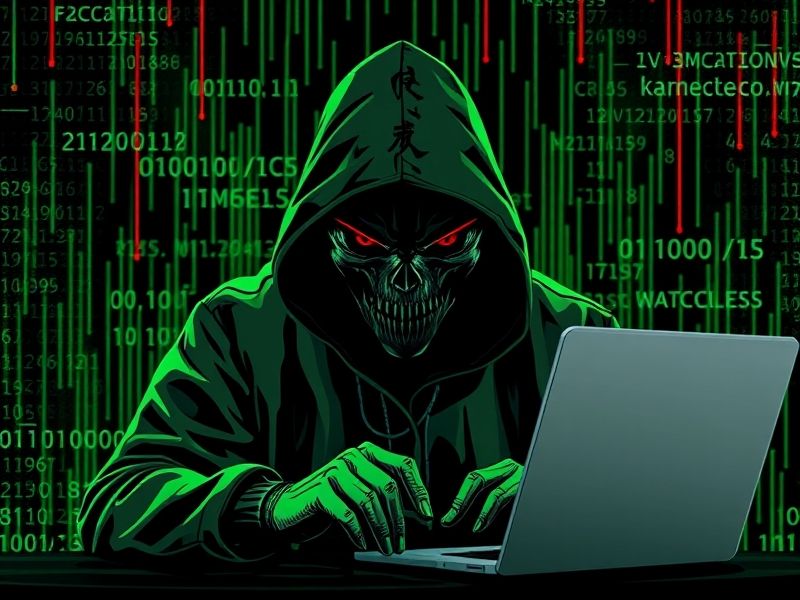
But let’s not just focus on the negative. There are some real benefits to this investment as well. For example, it can help us stay ahead of the curve when it comes to identifying and neutralizing threats. Imagine having a team of top-notch hackers working to find vulnerabilities in our systems before bad actors can exploit them. That’s a pretty powerful asset. Plus, it can give us a strategic advantage in intelligence gathering and counterterrorism efforts. So, in a way, it’s a double-edged sword.
Now, let’s talk about the impact on industries. I’ve talked about this before, but industries are facing more cyber threats than ever before. A billion dollars in offensive hacking could mean more robust defenses for critical infrastructure like power grids, financial systems, and healthcare. That’s reassuring, right? But here’s the catch: industries also have to be on high alert for potential backlash. If a major company gets hit by a retaliatory cyber attack, the consequences could be devastating. Think about the reputational damage, the financial losses, and the potential harm to customers. It’s not a scenario anyone wants to face.
And get this, there’s also the issue of talent. With this much money being poured into offensive hacking, there’s a real risk of a brain drain from the private sector. Why would a talented hacker work for a tech company when they could be part of a government program with all the resources and cutting-edge tools? I mean, it’s a bit like the space race, but in the digital age. It could lead to a shortage of skilled professionals in the private sector, which could have long-term implications for innovation and security.
But here’s something I’ve noticed: the public perception of these operations is pretty mixed. Some folks think it’s a necessary step to protect our nation, while others are wary of the government’s increasing power. It’s a delicate balance, and it’s important to address the concerns of both sides. There’s a need for transparency and accountability to ensure that these operations are used ethically and effectively.
I’ll admit that I struggle with this myself. On one hand, I understand the strategic importance of having strong offensive capabilities. On the other hand, I’m concerned about the potential for abuse and the unintended consequences. It’s a complex issue, and there are no easy answers. But one thing is clear: the way we approach cybersecurity is changing, and this $1 billion investment is a big part of that shift.
Remember what I said in the previous chapter about offensive hacking? We explored what it means and how it reshapes our understanding of cybersecurity threats. Well, now we’re seeing the practical implications of that policy in action. The next chapter will dive deeper into the ethical considerations, and it’s going to be a doozy. We’ll talk about where to draw the line in cyber warfare and the concerns raised by experts and policymakers. So stay tuned, because this is just the beginning of a much larger conversation.
Man, this is a lot to take in, isn’t it? But I think it’s important to understand the full scope of what’s happening. These decisions have far-reaching consequences, and we all need to be informed. So, what do you think? Are you on board with the idea of offensive hacking, or is it a step too far? I’d love to hear your thoughts on this.
Ethical Considerations in Cyber Warfare
So, we've been talking about the Trump administration's $1 billion investment in offensive hacking operations, and just yesterday I was thinking about the ethical implications of all this. It's not just about the money; it's about what we're actually doing with it. I mean, hacking isn't just a tool—it's a weapon. And when a government starts using it offensively, well, that raises some serious concerns.
I remember a while back, when I was younger, the idea of hacking seemed like a cool, almost romantic notion. You know, the idea of a lone hacker taking on the world. But now, the stakes are so much higher. When we talk about offensive hacking, we're talking about state-sponsored operations that can have far-reaching consequences.

Have you ever stopped to think about the ethical line we’re crossing with these operations? It’s not just about breaching systems and stealing data; it’s about the potential for causing real harm. I vaguely remember an incident where a cyber operation led to a power outage in another country. People were left without electricity, and the impacts on hospitals, homes, and businesses were severe. That’s not just a technical issue; it’s an ethical one.
So, where do we draw the line in cybersecurity? It’s a question that keeps coming up, and it’s not an easy one to answer. Cybersecurity experts and government policymakers are grappling with this, and the debate is ongoing. I won’t lie, I don’t have all the answers, but I do think it’s important to consider the broader implications.
One of the main concerns is the potential for escalation. When one nation uses offensive hacking, it can lead to a tit-for-tat response. Before you know it, you have a full-blown cyber conflict. This is something we’ve seen hints of in recent years, and it’s really worrying. It’s not just about winning a cyber battle; it’s about the long-term consequences.
But let’s change subjects for a moment. I recently read an article on thinknesthub about the future of cybersecurity, and it made me think about how these issues are evolving. (You can check it out if you’re interested: https://thinknesthub.blogspot.com/2025/07/6-strategies-to-protect-your-health.html). The thing is, technology is advancing so quickly, and the rules of engagement are constantly changing. It’s a bit of a Wild West out there.
Going back to what I was saying, the ethical considerations are huge. I mean, when we talk about national security, we’re talking about protecting our citizens. But is offensive hacking really the way to do that? I’m not sure. It’s a double-edged sword. On one hand, it can help us stay ahead of potential threats. On the other hand, it can create new risks and vulnerabilities.
I admit I struggle with this. I tend to think that there should be more oversight and regulation. We can’t just leave it to the military and intelligence agencies to decide what’s right and wrong. There needs to be a broader conversation involving ethicists, legal experts, and the public. It’s not a clean cut issue, and we need to be transparent about the decisions we’re making.
That’s a topic for another day, but let me tell you something. I’ve talked to a few people in the industry, and they have some strong opinions on this. One cybersecurity expert I spoke to said, ‘We need to think about the long-term impacts of these operations. It’s not just about winning the next battle; it’s about maintaining a stable and secure internet for everyone.’ I think that’s a really important point.
Now here’s where it gets interesting. There’s a growing movement to establish international norms and treaties for cyber warfare. It’s a bit like the treaties we have for conventional warfare, but for the digital age. I’m not sure how successful these efforts will be, but it’s a step in the right direction. We need to have global standards, and we need to enforce them.
To be honest, I’m still learning about all of this. I don’t know everything, and I could be wrong. But what I do know is that the ethical considerations in cyber warfare are incredibly important. We can’t just brush them aside. We need to think critically about what we’re doing and why we’re doing it.
So, what do you think? Do you have any insights or thoughts on this? I’d love to hear your perspective. This is a really complex issue, and we need to have these conversations to ensure we’re making the right decisions for the future.
🌙 If this resonated with you, what I left in the link will touch you even more. ✨ Sometimes, small discoveries make a big difference in our well-being. 🌿 I found something special that matches this moment of care and balance.
Change your life now https://amzn.to/3GedgiU
About
✨ My mission here is to spread knowledge and good ideas to the world in a simple way. Everything I share is the result of extensive research.
Comments
Post a Comment