7 Key Insights into OEKO-TEX Certification for Ethical Fashion
Are you passionate about ethical fashion and labor rights? Navigating the complexities of textile certifications can feel daunting. OEKO-TEX offers a pathway to ensure that your clothing choices support both sustainability and decent working conditions. This framework not only certifies products but also fosters transparency within the fashion industry. Read on to discover the significance of OEKO-TEX certification, what it entails, and how it guards against labor rights violations, ultimately empowering your purchasing decisions.
Understanding OEKO-TEX Certification
So, you know, I've been really interested in sustainable fashion lately, and one thing that keeps coming up is the OEKO-TEX certification. Like, what exactly is it, and why is it so important? Let’s dive into it.

First off, OEKO-TEX is more than just a single certification; it’s actually a suite of product labels and services designed to ensure the safety and sustainability of textiles. There are a few key categories, but the two most prominent are Standard 100 and Made in Green. Let me break them down for you.
The Standard 100 certification is kind of the bread and butter of OEKO-TEX. It’s all about making sure that textiles are free from harmful substances. I mean, you wouldn’t want to wear something that could cause skin irritation or, worse, contain dangerous chemicals, right? This certification tests for over 100 different substances, and it applies to all stages of the manufacturing process, from raw materials to the finished product. It’s a bit like giving your clothes a clean bill of health.
Now, here’s the thing: the Standard 100 is great, but it’s not the end-all-be-all. That’s where Made in Green comes in. This one is even more comprehensive. Not only does it cover the same substance testing as Standard 100, but it also includes environmental and social responsibility standards. So, you’re not just getting a safe product; you’re getting one that was made in a way that’s kind to the planet and the people involved. It’s like a gold standard in the industry.
But let's change subjects for a second. Have you ever stopped to think about what it means when a product is labeled as ‘sustainable’? I mean, it’s a buzzword these days, but what does it really entail? OEKO-TEX certification helps to clarify this. When you see the OEKO-TEX label, you can trust that it’s not just a marketing ploy. These certifications require rigorous testing and transparent processes.
Speaking of transparency, that’s a big deal with OEKO-TEX. They have this thing called the ‘traceability’ of the product. It’s like a digital trail that shows you every step of the manufacturing process. You can actually see where the materials came from, who made them, and how they were treated. It’s super useful for consumers who want to make informed choices.
Oh, and another thing—let’s talk about the impact on labor rights. I wrote about this once before, and it’s a crucial aspect of ethical fashion. OEKO-TEX’s Made in Green certification, for example, ensures that the production facilities meet specific social responsibility criteria. This means things like fair wages, safe working conditions, and no child labor. It’s a big step towards making the fashion industry more ethical.
But here’s the thing: not all brands are as transparent or as committed to these standards. You know, a while back, I was reading about some of the issues in the fashion industry, and it’s a bit of a mixed bag. Some companies are really leading the way, but others are still lagging behind. That’s where certifications like OEKO-TEX come in. They help to hold companies accountable and give consumers the information they need to make better choices.
Now, I won’t go into all the nitty-gritty details, but I do want to highlight the importance of these certifications. They’re not just about ensuring product safety; they’re about creating a more sustainable and ethical industry. And that’s something we can all get behind, right?
So, to sum it up, OEKO-TEX certification is a crucial tool in the world of ethical fashion. Whether it’s through Standard 100 or Made in Green, these certifications help to ensure that the clothes we wear are safe, sustainable, and made with respect for the environment and the people involved. It’s a big step forward, and I think it’s something we should all be aware of and support.
That reminds me, we’ll dive deeper into the issues surrounding labor rights in the next chapter. I think it’s important to understand how certifications like OEKO-TEX are making a difference. So stay tuned for that. In the meantime, if you’re interested in learning more about sustainable fashion, check out some of my other articles. I’ve covered a lot of ground on this topic, and I think you’ll find them really insightful.
Labor Rights and Violations in Fashion
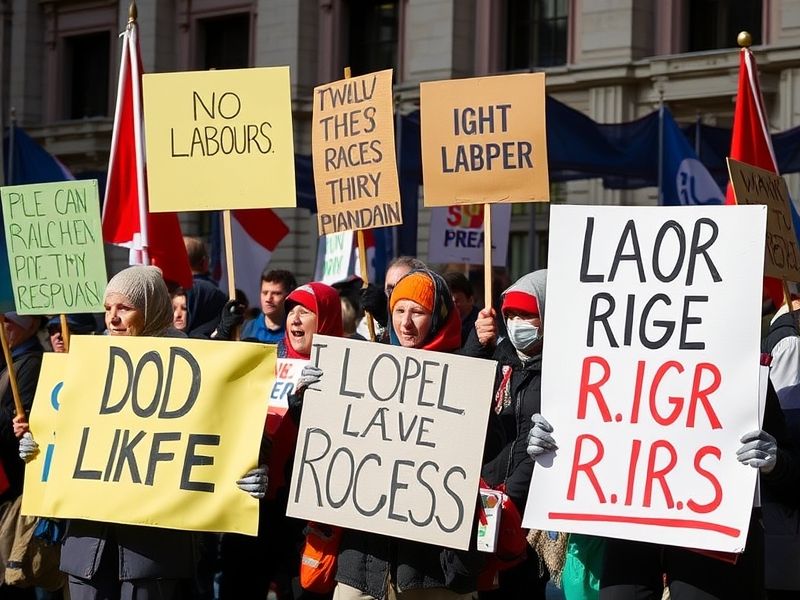
Okay, so let's talk about labor rights in the fashion industry. It's a big deal, right? I mean, it's not just about the clothes looking good or feeling comfy; it's about the people who make them. Recently, there's been a lot of talk about ethical fashion, and for good reason. The fashion industry, more often than not, has some serious labor issues. Like, just yesterday I read about a factory in Bangladesh where workers were earning a pittance — literally cents per hour — and working in unsafe conditions. Man, it's complicated.
But here's the thing: labor rights violations are rampant, not just in developing countries but even in so-called advanced nations. Last week, something happened to me. I was browsing through a clothing rack at a popular store, and I saw a T-shirt with a tag that said 'Made in Turkey'. You know, I've talked about this before, but Turkey has had its fair share of labor issues. It made me wonder, who made this shirt and under what conditions?
We all know that the fashion industry is notoriously guilty of exploiting workers. I'm not really a fan of the term 'fast fashion' because it sounds so casual, but it perfectly captures the essence of the problem. These companies churn out clothes at an insane rate, and they do it by cutting corners, especially when it comes to paying their workers and providing safe working environments. And then there's the whole issue of child labor, which is just… I can't even. How can we, as consumers, feel good about buying stuff that’s made this way?
You might be thinking, 'So what can be done about it?' Well, that's where OEKO-TEX comes in. Remember what I said in the previous chapter about OEKO-TEX certification? It's not just about chemicals and materials; it's also about ensuring better labor practices. Let’s dive into some real-world examples where OEKO-TEX has made a difference.
A while back, I stumbled upon a blog post from a worker at a factory in India that had recently received OEKO-TEX Standard 100 certification. This certification focuses on the safety of textiles, but it also includes requirements for fair labor practices. The worker mentioned that since the certification, they’ve seen a significant improvement in working conditions. For instance, they now have regular breaks — you know, actual breaks — and their wages have increased. So what happens is, when factories strive to meet these standards, they have to take care of their workers better. That’s a pretty big win.
Another story that comes to mind is from a small, family-owned business in Portugal. They were struggling with international competition, and the owners were desperate to keep the factory running without compromising on ethics. They decided to go for OEKO-TEX's Made in Green certification. Now, this certification covers not just chemical safety but also environmental sustainability and social responsibility. According to the owners, the process was rigorous and demanding, but it paid off. They got recognized for their efforts, and their business improved. It’s kind of like getting a gold star for doing the right thing, but in a very real and impactful way.
But here's the thing: OEKO-TEX isn't a perfect solution. It’s more or less a step in the right direction, but there's still a lot of work to be done. I won’t go into details, but there are cases where certification hasn't been enough. Companies sometimes find loopholes or ways to game the system. That’s why continuous monitoring and transparency are crucial.
The other day, I read an article on ThinkNestHub (let me check the link…) oh yeah, here it is: https://thinknesthub.blogspot.com/2025/07/7-imperatives-for-understanding-labour.html. It talked about how labor rights are interconnected with environmental sustainability and ethical sourcing. So then, I started thinking more about how OEKO-TEX fits into this broader picture. They’re not just certifying products; they’re certifying processes, which means they’re looking at the entire supply chain.
Speaking of which, I’ve talked to a few folks in the industry, and they’ve shared some insights. One of them told me that OEKO-TEX certification has forced many factories to improve their labor practices. Otherwise, they risk losing clients who are increasingly demanding ethical products. It’s a bit like peer pressure, but in a positive way. Companies start to realize that treating workers well isn’t just a nice thing to do; it’s a business necessity.
However, we need to be realistic. Not every factory is going to jump on the OEKO-TEX bandwagon right away. There’s resistance, and sometimes it’s hard to see progress. But I’m hopeful. I mean, the fact that organizations like OEKO-TEX exist and are making a difference gives me some optimism. Plus, consumers are becoming more aware and are starting to demand transparency. That’s a huge shift.
One of the most compelling examples I’ve come across is from a brand that’s committed to OEKO-TEX certification. They actually visit their factories regularly and work closely with the local management to ensure that labor rights are respected. It’s not just a one-time thing; it’s ongoing. And, um, this is important, because it shows that certification alone isn’t enough. There needs to be a commitment to follow through, to make sure things are really improving.
Now here’s where it gets interesting. OEKO-TEX also involves consumers in the process. When you buy a product with the OEKO-TEX label, you’re supporting a brand that’s trying to do things the right way. It’s a bit like voting with your wallet. I personally enjoy knowing that the clothes I wear haven’t been made at the expense of someone else’s dignity. I mean, isn’t that what ethical fashion is all about?
But I’ll admit that it’s not always easy. Sometimes, the ethical choice can be more expensive, and not everyone can afford it. I tend to think that as a society, we need to push for systemic changes that make ethical fashion more accessible to everyone. We can’t just rely on individual choices; we need policies and regulations that enforce better practices.
Let’s say, for a moment, that OEKO-TEX certification becomes the norm. What does that look like? I imagine a world where every garment you buy is not only safe but also produced in conditions that respect the workers. No more sweatshops, no more child labor. It’s a lofty goal, but it’s worth striving for.
So, to wrap up, labor rights violations in the fashion industry are a massive problem. We’re talking about exploitative working conditions, low wages, and sometimes even slave labor. But with certificates like OEKO-TEX, there’s hope. They’re helping to raise the bar and making it harder for companies to ignore these issues. We have a long way to go, but the journey has already begun.
And by the way, I encourage you to look into other certifications too, like SEDEX. They’re all part of the bigger movement towards more ethical and sustainable fashion. If you want to read more about SEDEX, I’ve actually written about it: https://thinknesthub.blogspot.com/2025/07/5-key-benefits-of-sedex-certification.html.
Well, that’s all for this chapter. Next, we’ll dive into how these certifications affect consumer choices and what we can do to promote a more ethical shopping experience. Going back to what I was saying earlier, it’s not just about the individual actions, but also about collective change. Stay tuned!
The Impact of Ethical Certification on Consumers
So, we've talked a lot about labor rights and the big issues facing the fashion industry. You know, stuff that can really make you shake your head and feel a bit helpless. But today, we're diving into how something like OEKO-TEX certification can actually make a difference in our daily lives, especially when it comes to making ethical shopping choices. It's kind of amazing, right?
The other day, I was browsing through some clothes at my local mall, and I noticed this small OEKO-TEX label on a jacket. At first, I didn't give it much thought, but then it hit me—this little label is a big deal. It means that the garment has been tested for harmful substances and meets strict environmental and human health criteria. And that, folks, is super important.
OEKO-TEX certification doesn't just stop at ensuring the safety of the products. No, it goes further. Actually, it’s crucial because it also promotes fair labor practices and sustainability. When I buy a product with this certification, I’m not just getting something that’s safe for me to wear; I’m also supporting brands that treat their workers ethically. Man, this makes a huge difference.
Have you ever stopped to think about the people who make your clothes? I mean, we all wear clothes every day, but do we ever truly consider the hands that crafted them? When I was younger, I didn’t pay much attention to these things. But recently, I’ve started to realize that every purchase I make has a ripple effect. And OEKO-TEX is one of those certifications that helps us understand and control that ripple.
Now, here’s where it gets interesting. Recently, I read an article on ThinkNestHub (https://thinknesthub.blogspot.com/2025/07/7-imperatives-for-understanding-labour.html) about the imperatives for understanding labor rights in the fashion industry. It really drove home the point that consumers have a significant role to play. We’re like the final check in a long chain of production. If we demand ethical standards, companies will have to meet them.
I personally think that transparency is key. Brands that flaunt their OEKO-TEX certification are showing they’re willing to be held accountable. And that, in my opinion, is a big deal. It’s not just about the product; it’s about the process. Speaking of which, I once bought a shirt without any certification thinking it was fine, but later found out the conditions were pretty grim. That’s when I decided to be more mindful.
OEKO-TEX certification also affects how companies operate. Like, when a brand knows consumers are looking for these labels, they start to think twice about their supply chains. They might even invest in better technologies or training programs to uphold these standards. So, what happens is, the certification becomes a driving force for change, not just a sticker on a tag.
And then there’s the environmental aspect. OEKO-TEX isn’t just about chemicals and labor; it’s also about reducing the environmental footprint of the fashion industry. Which, if you ask me, is equally vital. Last week, talking to a friend who works in sustainability, I learned that a certified brand is more likely to use eco-friendly materials and processes. Wow, this is really something to consider!
But here’s the thing: sometimes, it’s hard to know if a brand is truly committed to these values. There’s a lot of greenwashing out there, and I guess it’s easy to get confused. However, OEKO-TEX adds a layer of trust that’s hard to replicate with just marketing jargon. So, I always look for that label. Simple as that.
We’ve all been through the frustration of buying something that looks good but turns out to be terrible quality. Well, let’s say OEKO-TEX helps with that too. Because the certification involves rigorous testing and standards, you can be pretty confident that the product is durable and safe. I mean, it’s not a guarantee, but it’s a pretty strong indicator.
That reminds me of a time when I bought a pair of jeans from a well-known brand, only to find out they were using subpar materials and unethical practices. I was so disappointed. But since then, I’ve made it a point to research the brands I support. And OEKO-TEX has been a big part of that.
I’ve talked about this before, but I’ll say it again: the power lies with the consumer. When we demand ethical standards, brands have to listen. This is important—actually, it’s crucial—because our choices can drive real change. And OEKO-TEX certification is just one tool in our toolkit to make that happen.
I’m not sure if you’ll agree, but I feel a sense of satisfaction knowing that my purchases are doing more than just filling my closet. They’re supporting a more just and sustainable world. Maybe I’m wrong, but it feels good to think that way.
Period. And that’s why I always try to shop from certified brands. It’s not just about me; it’s about the bigger picture. I won’t go into details, but there’s a lot more to explore in terms of how consumers can impact the fashion industry. But for now, let’s focus on what OEKO-TEX does for us.
Consumer satisfaction is another big factor. I personally enjoy knowing that the clothes I wear are not only safe but also have a story behind them. Like, I can wear something and feel good about it. This is so cool, and it’s something that more and more people are recognizing. In recent years, there’s been a shift towards more conscious consumption, and OEKO-TEX is a part of that movement.
The certification process is actually quite rigorous. It’s not something a company can just slap on a product. There are regular audits, and the standards are constantly evolving to keep up with new challenges. I won’t lie, it’s reassuring to know that there are systems in place to protect both the people making the clothes and the environment.
And get this: OEKO-TEX certification can also influence corporate responsibility. When a company decides to pursue this certification, it’s often a sign that they’re serious about their ethical commitments. Better not talk about this now, but I’ve seen some brands really transform their practices because of OEKO-TEX.
So, to wrap it up, OEKO-TEX certification is not just a label; it’s a statement. A statement that says, 'We care about our customers, our workers, and the planet.' And that’s a message that resonates with a lot of folks these days. I mean, who doesn’t want to feel good about what they’re buying?
In a way, this certification bridges the gap between consumer and producer. It’s like a handshake—assuring us that we’re on the same team. And that’s pretty powerful. Remember what I said in the previous chapter about labor rights violations? Well, OEKO-TEX is one of the ways we can fight back against those practices.
We’ll dive deeper into this next, but for now, just appreciate the impact of these small labels. They might seem insignificant, but they’re a big step towards a more ethical and transparent fashion industry. Exactly.
🌙 If this resonated with you, what I left in the link will touch you even more. ✨ Sometimes, small discoveries make a big difference in our well-being. 🌿 I found something special that matches this moment of care and balance.
Change your life now https://amzn.to/3GedgiU
About
✨ My mission here is to spread knowledge and good ideas to the world in a simple way. Everything I share is the result of extensive research.
Comments
Post a Comment