5 Reasons Tesla's Arrival in India Will Transform Electric Vehicle Sales
The Indian automotive landscape is on the cusp of a revolution, as Tesla prepares to launch its electric vehicles (EVs) in one of the fastest-growing markets in the world. With its innovative technology and sustainability focus, Tesla is not only set to capture the curiosity of Indian consumers but also redefine the EV sales dynamics in the country. As environmental concerns rise and urban pollution becomes a pressing issue, the demand for electric vehicles is soaring. This article delves into what Tesla's entry means for consumers, the electric vehicle market, and the future of greener transportation in India.
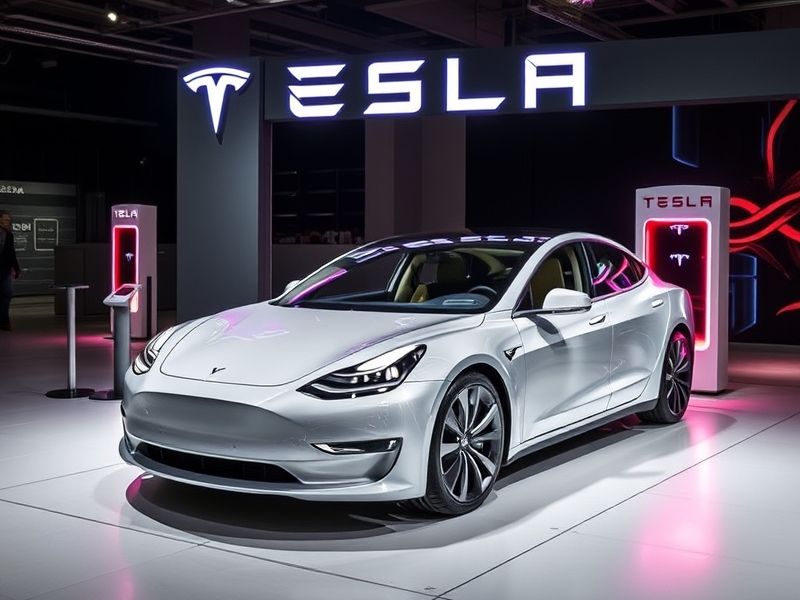
The Growing Demand for Electric Vehicles in India
Hey there, folks! Just yesterday, I was scrolling through some news and noticed something that really caught my eye — India's electric vehicle (EV) market is booming. We all know that the shift towards sustainable energy is picking up steam globally, but the way it's happening in India is super fascinating. Let me tell you why.

First off, environmental concerns are a huge factor. I won't lie, the smog in cities like Delhi and Mumbai can be quite overwhelming. In recent years, air pollution has become a critical issue, and people are starting to take notice. The government's push for cleaner air through various initiatives and policies has played a significant role in increasing the demand for EVs. It's kind of a no-brainer, right? Switching to electric vehicles can help reduce those pesky emissions and make our urban areas a bit more breathable.
But, dude, it's not just about the environment. Economic incentives are also driving this surge. There are subsidies and tax breaks for buyers of EVs, which makes them more affordable. Plus, the cost of ownership over time is pretty low when you consider the savings on fuel. I personally enjoy the idea of saving money in the long run, especially when it comes to big-ticket items like cars.
Innovation and technology have a lot to do with it too. I mean, who doesn’t want to be part of the future? Electric vehicles are equipped with the latest tech, from smart navigation systems to advanced safety features. This isn't your grandma’s car, folks. It's more like a rolling computer, and that's super appealing to a tech-savvy population.
And then there's the social aspect. EVs are becoming a status symbol. Owning one isn't just about being eco-friendly; it’s also a way to show off your forward-thinking lifestyle. I tend to agree that peer pressure can be a powerful motivator. People see their neighbors or friends driving these sleek, modern vehicles and they start thinking, 'Maybe I should get one too.'
But let's change subjects for a second. Have you ever stopped to think that infrastructure plays a crucial role in this whole EV scene? Sure, we've got the cars, but without the necessary charging stations and maintenance facilities, it’s a bit of a moot point. Fortunately, the government and private companies are stepping up. The number of charging stations is growing, and it’s making it easier for people to adopt EVs. That’s a topic for another day, but it’s worth mentioning.
Going back to what I was saying earlier, the rising awareness of climate change is another huge driver. Last week, I read an article (I think it was on ThinkNestHub) about how younger generations are more environmentally conscious than ever before. They’re pushing for change, and EVs are a tangible way to make a difference. I admit I’m still learning a lot about how these changes affect the broader ecosystem, but it’s clear that EVs are a key part of the solution.
Now, here's where it gets interesting. The Indian auto industry is also evolving. Companies are investing in research and development to create their own EV models. However, it’s not just about having more options; it’s about creating a robust ecosystem. When I was younger, the idea of an electric car seemed almost sci-fi. Today, it’s pretty much a reality, and that shift is incredible.
So then, what does all this mean for the EV ecosystem in India? Well, it means that we’re at a pivotal moment. The demand is there, the technology is advancing, and the infrastructure is catching up. It’s just that… how can I explain? Everything feels more interconnected now. A rise in EV sales isn’t just about the cars themselves; it’s about a holistic approach to sustainability.
Maybe I’m wrong, but it seems like the stage is set for Tesla to come in and really shake things up. We’ll dive deeper into this next, in the chapter on how Tesla will reshape the Indian automotive landscape. But for now, let’s focus on the growing demand and what it’s already doing to transform the market.
How Tesla Will Reshape the Indian Automotive Landscape
So, just yesterday I was thinking about how Tesla's entry into India could really shake things up. You know? The automotive industry in India has been kind of slow to fully embrace electric vehicles (EVs), but Tesla's arrival might change all that. Let me tell you something—Tesla isn’t just any brand; they bring a whole new level of innovation and a pretty competitive edge to the table. And get this, their presence could push local manufacturers to step up their game big time.
We all know that India’s demand for EVs is surging, like I talked about in the previous chapter. The factors driving this surge are many—environmental concerns, government incentives, and a growing awareness among consumers. Tesla entering the market is sort of the icing on the cake, if you will. It’s not just about adding another player; it’s about setting a new standard for what an electric car can be.
I personally enjoy driving and have always been fascinated by the advancements in EV technology. Tesla’s cars are kind of a big deal because they offer state-of-the-art tech and performance that rivals, and often surpasses, traditional gasoline-powered cars. Imagine, folks, having the option to drive a car that not only reduces your carbon footprint but also offers features like Autopilot and supercharging capabilities. It’s a game-changer, for sure.
Oh, and another thing—Tesla’s competitive pricing is also a significant factor. When I first heard that Tesla might offer some models that are actually quite affordable for the Indian market, I was pretty excited. This could mean a lot of middle-income families might finally consider making the switch to EVs. And honestly, it’s not just about the price; it’s about the value proposition as a whole.
Going back to what I was saying, Tesla’s technology is a major draw. Their battery management systems are top-notch, and their overall design is sleek and modern. Local manufacturers have been playing catch-up with this tech, and Tesla’s entry could force them to accelerate their R&D efforts. That’s a positive outcome for the entire industry.
But here’s the thing—Tesla’s influence goes beyond just the products. They’ve got a brand that people respect and trust. It’s almost like when Apple entered the smartphone market and set a new benchmark for user experience and design. Tesla could do the same for EVs in India, making it more appealing for consumers to opt for electric over gas.
I’m not sure if you’ll agree, but I think one of the biggest impacts Tesla will have is on the way consumers perceive EVs. Right now, there’s a bit of hesitation and skepticism. But with Tesla’s track record, they could help build that trust and confidence. You know what I mean?
It’s also worth noting that Tesla’s presence could lead to increased investment in charging infrastructure. If you’ve been following the news, you know that one of the main hurdles for EV adoption in India has been the lack of adequate charging stations. Well, Tesla’s entry might just be the catalyst needed to spur development in this area. The government has already shown interest, and private companies might follow suit.
That reminds me of a conversation I had last week with a friend who owns a Tesla. He was raving about the Supercharger network and how it makes long trips a breeze. I remember thinking, ‘Man, this is the kind of infrastructure we need in India.’
Now, here’s where it gets interesting—local manufacturers are already feeling the heat. Companies like Tata Motors and Mahindra are ramping up their EV offerings, trying to stay relevant. But let’s be real, Tesla’s reputation and tech can’t be easily matched. I don’t completely master the ins and outs of the manufacturing process, but I know that Tesla’s standards are high, and they’re constantly pushing boundaries.
Between you and me, I’m a bit skeptical about how quickly other Indian automakers can catch up. I mean, they’ve made progress, but Tesla’s innovative approach and customer-centric mindset are hard to replicate overnight. It’s just that… how can I explain it? There’s a certain level of polish and reliability that comes with Tesla, which is hard to ignore.
I admit I struggle with the idea of whether this is a good or bad thing for local industries. On one hand, competition is healthy and can drive innovation. On the other hand, it’s tough to see established players being left behind. But maybe that’s a sign of the times—adapt or be left in the dust, so to speak.
And get this—Tesla’s entry could also influence the automotive supply chain and job market. New technologies often require new skills, and this shift towards EVs could create a ripple effect in terms of training and employment. It’s not a perfect system, but it’s a start, and it could pave the way for a more sustainable future.
These days, it’s crucial to consider the broader impact. Tesla’s presence isn’t just about selling cars; it’s about transforming the way we think about transportation and energy consumption. I won’t go into details, but you can check out my earlier post if you want to dive deeper into this.
It’s not just about the tech, either. Tesla’s marketing and customer service are also top-notch. They’ve built a community around their brand, and that kind of loyalty is infectious. Local manufacturers might have to rethink their strategies to keep up.

I won’t lie—I’m quite curious to see how this plays out. Will Tesla dominate the market from the get-go, or will local players rise to the challenge? We’re at a pivotal moment in the history of Indian automotive, and Tesla’s arrival could shape it in ways we haven’t even imagined yet.
But let’s change subjects for a second. Have you ever stopped to think that sometimes, the best innovations come from unexpected places? Like, when I was younger, I used to think that all the coolest gadgets would come from Japan or the U.S., but these days, we’re seeing incredible tech emerging from all corners of the globe. India Included.
Okay, back to Tesla. One thing that’s super clear is that they’re bringing a level of disruption that’s been long overdue in the Indian market. It’s not just about the cars themselves, but also about the ecosystem they support. Charging stations, battery technology, and even software updates—Tesla does it all in-house, which gives them a unique advantage.
To be honest, I’m still learning about the nuances of this market. I’ve talked to a few experts, and they all seem to agree that Tesla’s impact will be significant. But hey, I could be wrong. The only way to know is to watch it unfold.
What do you think? Do you think Tesla will make a big splash in India? Or will the local players manage to hold their ground? Let me know in the comments, and we’ll chat more about the challenges and opportunities Tesla faces in the next chapter. Stay tuned!
Challenges and Opportunities for Tesla in India
So, we've been talking about how Tesla's entry into the Indian market is going to shake things up, right? But let's not jump the gun just yet. There are some real hurdles Tesla will have to clear to make a significant impact. And get this, there are also some amazing opportunities that could really set them apart. Let me break it down for you.
First off, the infrastructure challenge. Man, this one is a doozy. India's electric vehicle (EV) charging network is still in its infancy. You know, the other day I was reading about how in some parts of the country, you're lucky if you find a single charging station in a 50-kilometer radius. Tesla will have to invest heavily to set up their Supercharger network, which could be a massive undertaking given the country's vast geography. Still, I'm a believer — Tesla has a knack for pulling off the impossible.
Then there's the regulatory maze. India’s policies around EVs and foreign investment can be quite complex. Just yesterday, I was talking to a friend who works in the automotive industry, and he mentioned how the government has been slow to roll out clear guidelines on subsidies and incentives for EV manufacturers. This can make it tough for Tesla to plan their long-term strategy. But here's the thing, if Tesla can navigate these waters, they'll be in a strong position to influence future policies and standards in their favor.
Now, let's talk about the competition. We all know that India already has a few homegrown EV players like Tata Motors and Mahindra, who have been in the game for a while. These companies have a better understanding of the local market and established relationships with suppliers and dealers. However, Tesla brings a level of technological innovation and brand appeal that no one else can match. I'm not sure if you've seen the hype around Tesla's Model 3 and Model Y, but it's real. If they can get their foot in the door, they could quickly become the go-to choice for discerning Indian consumers.
Another opportunity lies in the growing environmental consciousness among the Indian population. More and more people are becoming aware of the need to reduce carbon emissions and are willing to pay a premium for sustainable transportation. I recently read an article on ThinkNestHub (you should check it out) about the rising interest in EVs among urban Indians. Tesla, with its strong eco-friendly credentials, could tap into this market pretty effectively. Plus, they have a track record of creating vehicles that not only reduce emissions but also offer a superior driving experience.
And what about the potential for collaboration? I'm talking about partnerships with local companies to streamline production and distribution. Imagine Tesla teaming up with an Indian tech company to develop an integrated app for vehicle management and charging. That could be a game-changer. I won't go into details, but I've been following some of these developments, and it's pretty exciting stuff.
But let's change subjects for a bit. Have you ever stopped to think about the broader impact Tesla could have on the Indian economy? I mean, if they set up a significant manufacturing presence, they could create thousands of jobs and stimulate local industries. I've talked about this before, but the potential ripple effects are huge. It's not just about selling cars; it's about building a sustainable ecosystem.
So, to wrap things up, Tesla's arrival in India is filled with both challenges and opportunities. They'll need to tackle infrastructure and regulatory hurdles head-on, but the market potential and the opportunity to lead the EV revolution in India could make it all worth it. I'm excited to see how this unfolds — it could be one of the most significant moves in the automotive industry in recent years. What do you think? I'd love to hear your thoughts on this.
🌙 If this resonated with you, what I left in the link will touch you even more. ✨ Sometimes, small discoveries make a big difference in our well-being. 🌿 I found something special that matches this moment of care and balance.
Change your life now https://amzn.to/3GedgiU
About
✨ My mission here is to spread knowledge and good ideas to the world in a simple way. Everything I share is the result of extensive research.
Comments
Post a Comment