Waymo's Robotaxi Service Launches in Atlanta Through Uber
Introduction
Waymo, the leading autonomous vehicle company, is making significant strides by launching its robotaxi service in Atlanta in collaboration with Uber. This innovative partnership follows the success of their existing "Waymo on Uber" service in Austin, Texas, and represents a major move in the rapidly evolving landscape of mobility solutions. By allowing residents of Atlanta to hail Waymo robotaxis via the Uber app, both companies aim to enhance urban transportation while expanding their operational reach.
The service will initially cover approximately 65 square miles of Atlanta, emphasizing both convenience and accessibility for users. Uber boasts a robust network, claiming an annual run-rate of 1.5 million mobility and delivery AV trips. Meanwhile, Waymo, which offers around 250,000 paid rides every week across major cities, anticipates this expansion will further propel its ride-share numbers.
As the landscape of urban transportation continues to evolve, the growth of Waymo's fleet in Atlanta—currently numbering in the dozens—is a testament to the commitment both companies have toward integrating autonomous vehicles into everyday life. This service stands as an example of how technological innovation is reshaping our commuting options.
The "Waymo on Uber" Experience
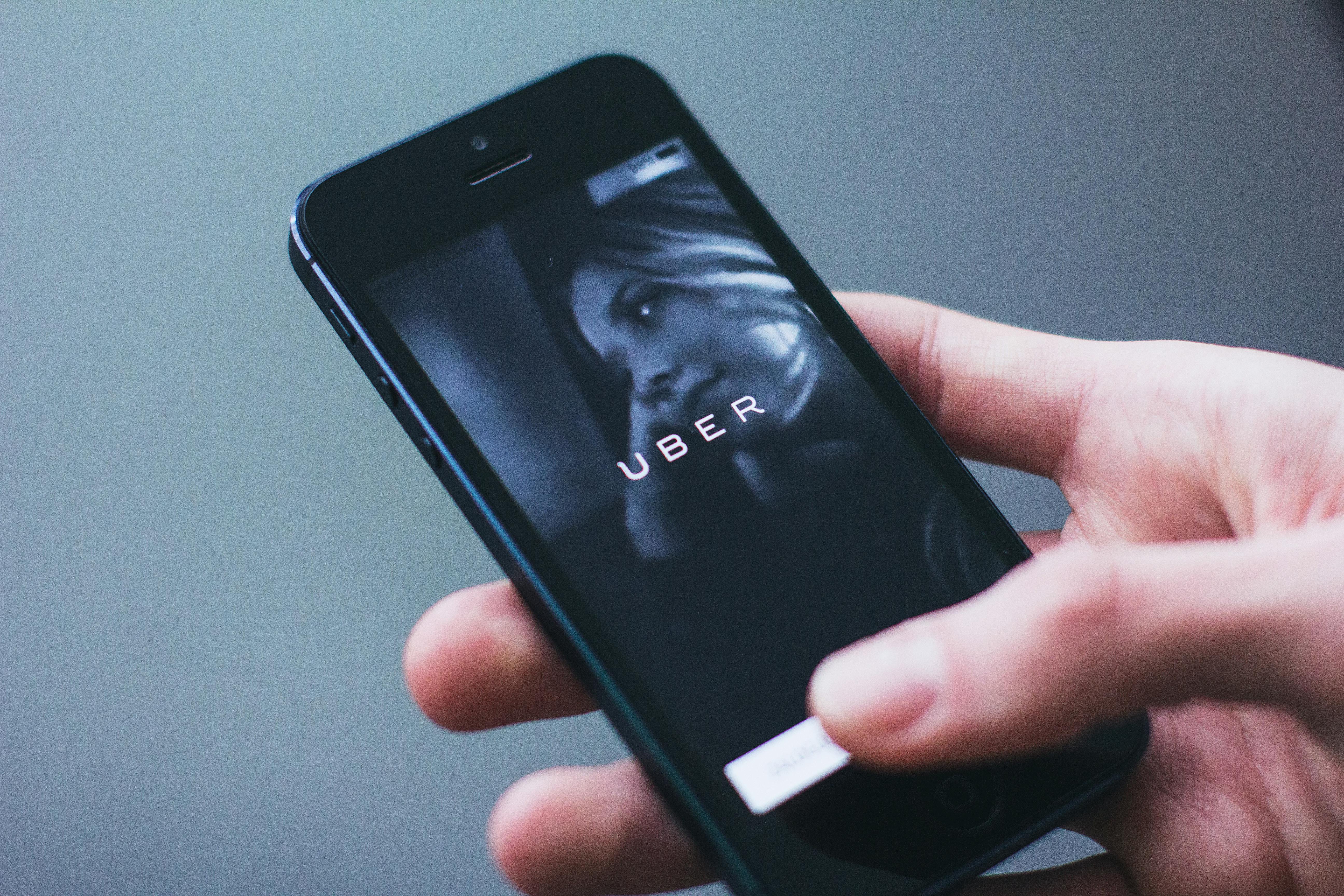
The "Waymo on Uber" service introduces a hybrid model that merges the experiences of robotaxis and traditional human-driven vehicles. Users can set their preferences in the Uber app, increasing the likelihood of being matched with a Waymo autonomous vehicle. This differs from Waymo's operation in other markets where the Waymo One app is utilized exclusively for hailing rides. Once matched, riders have the option to accept the robotaxi ride or switch to a human-driven vehicle.
The ride experience is designed to be seamless. When the robotaxi arrives, passengers will use the Uber app to unlock the vehicle, access their belongings, and commence their journey. By integrating these services, users can enjoy a more flexible and responsive approach to urban transport, reflecting the needs of modern commuters.
Financially, the cost of rides in the "Waymo on Uber" service will align with existing Uber categories, such as UberX and Uber Comfort, making it an economically viable option for everyday users. This pricing strategy encourages the adoption of autonomous rides, presenting a practical alternative to traditional transportation methods.
Future Prospects and Strategic Partnerships
The partnership between Waymo and Uber has significant growth potential. With Waymo's strategy to expand its fleet to hundreds of vehicles shared between Atlanta and Austin, the implications for both companies stretch beyond immediate operational capabilities. Uber's established partnerships with 18 autonomous vehicle companies position it well within the evolving market landscape.
As of last September, strategic plans were set in motion for the establishment of an integrated robotaxi service, aiming for a broader applicability by early 2025. This timeline suggests that both companies are not only looking to enhance their service offerings but are also committed to advancing the acceptance of autonomous vehicles in everyday situations.
In conclusion, the launch of Waymo's robotaxi service in Atlanta represents a significant step toward the future of urban mobility. With innovations in technology and strategic collaborations, the push towards autonomous transportation is expected to continue growing, paving the way for a more efficient, technology-driven future.
Conclusion
The introduction of Waymo's robotaxi service in Atlanta via Uber sets the stage for transformative changes in urban transportation. As both companies work collaboratively to enhance accessibility and convenience for users, the ongoing evolution of autonomous vehicle technology will undoubtedly reshape city transit.
Questions and Answers
Q1: What areas will the Waymo on Uber service cover in Atlanta?
A1: The service will initially cover about 65 square miles of the Atlanta area.
Q2: How does the "Waymo on Uber" service differ from other cities?
A2: In Atlanta, users can utilize the Uber app to hail Waymo robotaxis, while in other markets, users must use the Waymo One app.
Q3: What type of vehicles will be available under this service?
A3: The service will feature a combination of Waymo robotaxis and human-driven vehicles based on user preferences.
Q4: How will pricing compare to existing Uber services?
A4: The cost of rides will be equivalent to services like UberX or Uber Comfort.
Q5: What expansion plans do Waymo and Uber have for their partnership?
A5: The companies plan to grow the fleet shared between Atlanta and Austin to the hundreds, aiming for broader service availability.
Comments
Post a Comment