The Fair Trade Movement's Call for Stronger Corporate Sustainability Due Diligence Directive
Introduction
The recent political agreement by EU Member States regarding the Corporate Sustainability Due Diligence Directive (CSDDD) has sparked significant concern among advocates for smallholder farmers and responsible businesses. The simplification approach taken by the Council risks not only weakening the protections that are vital for these stakeholders but also may jeopardize the resilience of supply chains that are the backbone of Europe's food and textile sectors. This article delves into the nuances of the CSDDD, emphasizing the importance of a risk-based approach that adequately safeguards the interests of smallholders and workers.
Risks of Simplification and Its Impact on Farmers
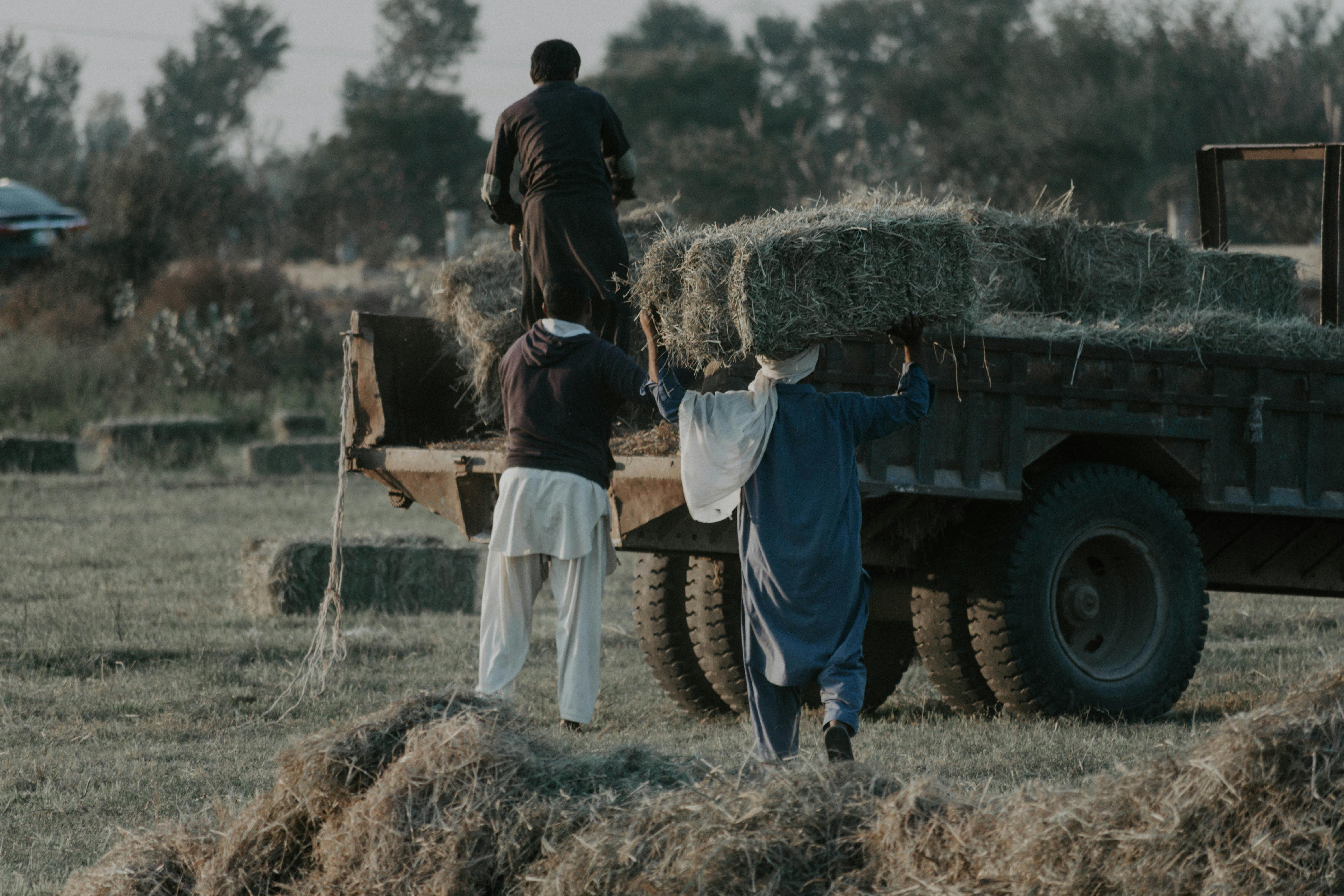
The Council's decision to streamline the CSDDD has raised alarms, particularly regarding the proposed employee and turnover thresholds, which could inadvertently exclude a staggering 70% of EU companies from the Directive's scope. This exclusion is detrimental because it disenfranchises smallholder farmers and entrepreneurs who have already committed resources toward responsible business practices. Such moves not only undermine the Directive's intent but also pose a threat to the very fabric of Europe's food supply chains.
The importance of smallholder farmers cannot be overstated; they represent over 600 million individuals who play a crucial role in our agricultural landscape. By stripping away protections designed for these smallholders, the Council potentially cultivates an environment where exploitative practices can flourish, particularly among vulnerable populations engaged in the production of textiles and garments. These workers, many of whom are women, endure unjust conditions and deserve robust safeguards that truly reflect their contributions to global supply chains.
Furthermore, despite strong backing from various industry stakeholders for a comprehensive and risk-based approach, the Council has proposed limiting due diligence solely to Tier 1 suppliers unless further upstream harms are demonstrated. This narrow focus not only trivializes the concept of due diligence but also limits the potential for broader accountability across the supply chain. A genuine risk-based approach, in alignment with international standards, is imperative for fostering fairer practices within the market.
The Way Forward and the Need for Comprehensive Due Diligence

The Fair Trade Movement acknowledges certain advancements made in the Council's proposals, particularly the clarification on limiting information requests to what is genuinely necessary for effective due diligence. However, there remains an urgent need for Parliament negotiators to enhance these provisions to ensure that information flows through supply chains are both smart and risk-sensitive. A forward-thinking approach is essential to mitigate human and environmental harms while maintaining the credibility of the EU as a global leader in corporate responsibility.
Moreover, the failure to amend other critical components of the Directive, particularly the obligation to consult affected stakeholders before terminating business relationships, could have dire repercussions. Smallholders and artisans are often categorized as "high-risk" and could see their business opportunities vanish overnight without recourse to address or negotiate detrimental outcomes. This lack of engagement not only poses risks to their livelihoods but also stifles innovation and responsible practices that could emerge from collaborative dialogue.
As discussions continue, it is crucial that all parties involved prioritize a holistic approach to sustainability that encompasses the entirety of the supply chain. A thorough, inclusive perspective with established mechanisms for protection, accountability, and dialogue will enhance the resilience of global supply chains and foster a more equitable economic environment for all involved.
Conclusion
To foster sustainable and equitable supply chains, it is essential that the EU maintains a risk-based perspective in its Corporate Sustainability Due Diligence Directive. Protecting smallholder farmers, workers, and responsible businesses must remain at the forefront of these discussions. The time is now for the EU to reinforce its commitment to human rights and environmental stewardship by ensuring a comprehensive, well-rounded approach to due diligence that reflects the complex realities of global trade.
Questions and Answers
Q: What is the Corporate Sustainability Due Diligence Directive (CSDDD)? A: The CSDDD is a legislative initiative by the EU aimed at ensuring that businesses conduct essential due diligence to prevent human rights abuses and environmental harm in their supply chains.
Q: Why are smallholder farmers significant in the context of the CSDDD? A: Smallholder farmers play a crucial role in Europe's food supply and are vital to building resilient and sustainable agricultural systems, representing millions of people directly affected by supply chain practices.
Q: What are the main concerns regarding the Council's simplified approach? A: The simplified approach risks excluding many EU companies from obligations under the Directive and could undermine critical protections for vulnerable groups like smallholder farmers and garment workers.
Q: How does the proposed employee and turnover thresholds impact smallholders? A: These thresholds could exclude a significant proportion of businesses from the CSDDD, penalizing those who actively engage in responsible practices and thereby decreasing overall accountability in the supply chain.
Q: What steps can be taken to improve the CSDDD? A: Engaging in broader consultations with affected stakeholders, adopting a true risk-based approach across the supply chain, and ensuring transparent and inclusive processes will help strengthen the CSDDD.
tags:CSDDD, smallholder farmers, responsible business conduct, supply chain sustainability
Comments
Post a Comment