Innovative Shift in Wind Power: AirLoom Energy's Groundbreaking Approach
Innovative Shift in Wind Power: AirLoom Energy's Groundbreaking Approach
Introduction
Wind power has recently faced significant challenges, not only due to external factors but also from political opposition. President Trump's agenda has introduced an unwanted friction against this renewable technology, especially as costs have begun to rise. As reported by Lazard, onshore wind power cost $61 per megawatt-hour last year, a stark contrast to the long-term trend of decreasing prices. This shifting landscape prompts critical discussions about the future of wind energy and the innovative solutions being adopted in response.
Neal Rickner, the CEO of AirLoom Energy, acknowledges the challenges but remains optimistic about the company's potential to thrive. AirLoom's unique approach to wind energy technology suggests that innovation and adaptability are vital to overcoming current economic constraints. Rickner emphasized, "People are feeling the pain of $60 megawatt-hour pricing already. Our modeling shows we can do that with a first-of-a-kind system." This notion of disruptive innovation in the energy sector exemplifies the importance of being primed for growth even amidst financial obstacles.
With the pilot site breaking ground near Laramie, Wyoming, AirLoom is poised to shift the industry paradigms of wind power generation. The startup's focus on developing a distinctly different system through the integration of advanced engineering principles could drive down costs significantly and position the company as a leader in renewable energy solutions.
AirLoom's Transformative Wind Power Technology
AirLoom's innovative design diverges from traditional wind turbines that resemble towering pinwheels. Instead, they've devised a system comprising several shorter blades attached to a cable that runs along a customizable oval track. This groundbreaking design not only reduces the height of the structure to approximately 60 feet but also maintains effective energy output. The flexibility in track length allows adaptations for diverse environments, helping to ensure optimal efficiency in energy generation.
The pilot system is expected to produce around 150 kilowatts, demonstrating that it has the capacity to scale modularly. The components used in the pilot project are also those that would be utilized in a full megawatt-scale installation, underscoring the potential for substantial energy production without the need for excessive infrastructure. Rickner stated, "If we can be cost competitive at very low volumes with our first system, that's an indicator of where we can go," echoing the essence of growth through disciplined innovation.
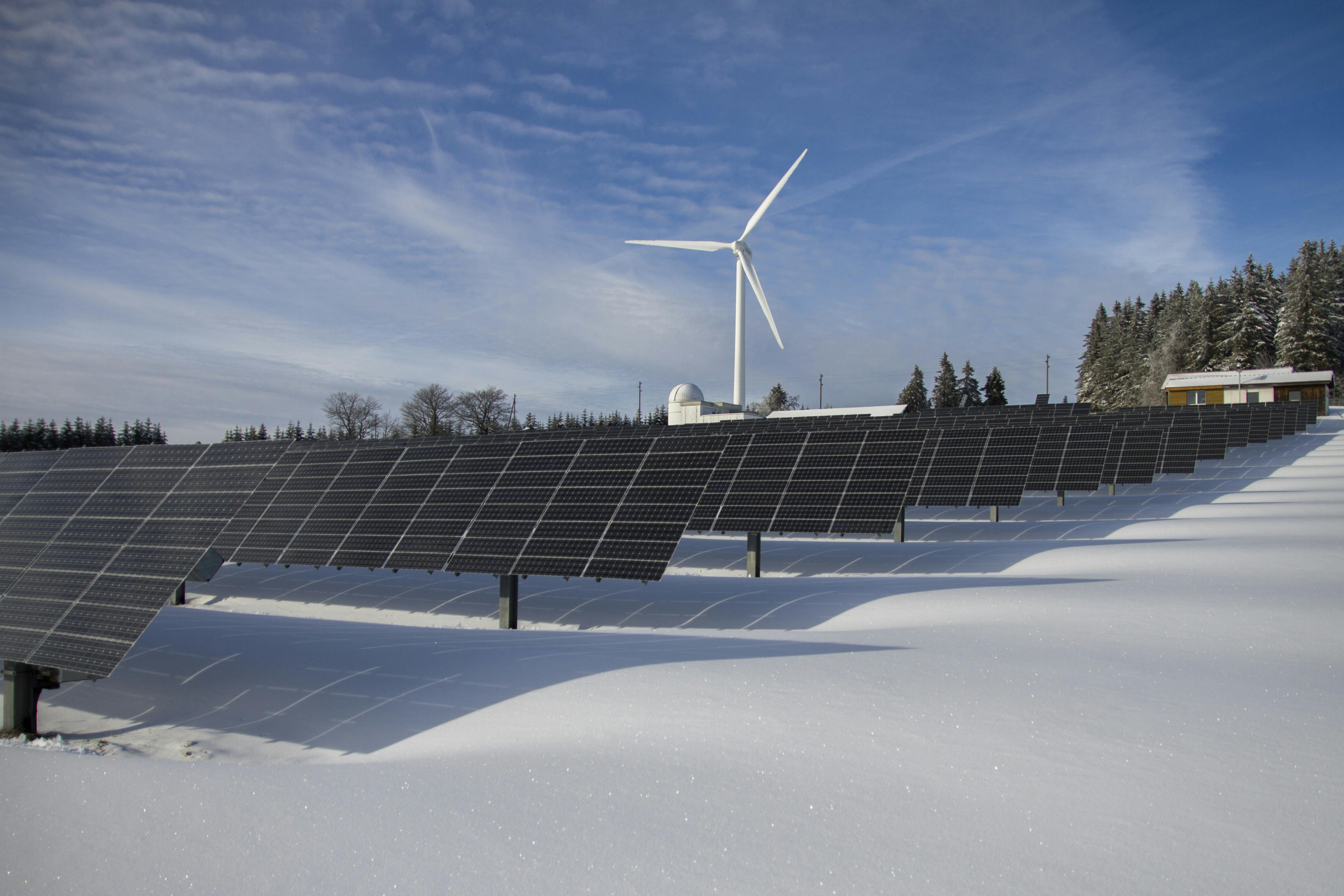
Further enhancing this concept is the fact that the space between tracks can be utilized for various purposes, such as installing solar panels or conducting traditional farming activities. This dual-use model not only promotes renewable energy but also aligns with sustainable agricultural practices, thus fostering community engagement and collaboration in energy transitions.

Looking to the Future: Strategic Partnerships and Market Potential
As AirLoom plans to deploy its first commercial-scale system by 2027 or 2028, the company is actively seeking partnerships with military branches and data center developers. With Rickner's background as a U.S. Marine Corps pilot, the military sector presents a unique opportunity that aligns well with AirLoom's innovative approach to energy systems. The interest from data center developers, facing challenges in securing traditional wind turbines, positions AirLoom as a timely solution.
The five-year horizon that Rickner presents emphasizes the need for persistence and adaptability in a rapidly evolving energy marketplace. Following this timeline, Rickner envisions multiple iterations of the AirLoom system by 2030 to enhance the efficiency and affordability of energy solutions. His commitment reflects the company's strategic growth mindset rooted in understanding market dynamics and addressing customer needs effectively.
Furthermore, the anticipated growth of demand in the wind energy sector highlights the critical role of innovative technologies. As existing energy paradigms shift, AirLoom's approach could serve as a model for future developments within the industry, showcasing that growth in sustainability and technology can converge to create practical, economically viable energy solutions.
Conclusion
In conclusion, the challenges facing wind power today underscore the need for innovative thinking and adaptability in the renewable energy sector. AirLoom Energy's transformative approach, targeting cost efficiency and unique design, positions the company as a promising player within this evolving landscape. By embracing disciplined growth strategies and potential partnerships, AirLoom exemplifies the persistence needed to thrive amidst adversity in the energy sector. As markets continue to change, the emphasis on learning and fostering innovation will be paramount in achieving sustainable energy goals.
Questions and Answers
Q1: What are the main challenges facing the wind power industry currently?
A1: The wind power industry confronts challenges such as rising costs, political opposition, and the need for innovative solutions to remain competitive in the energy market.
Q2: How does AirLoom Energy differentiate itself from traditional wind power technologies?
A2: AirLoom Energy utilizes a unique design featuring shorter blades on an oval track, which allows for flexibility in energy generation and reduced overall structure height, as opposed to traditional towering turbines.
Q3: What are AirLoom's future plans for its wind power systems?
A3: AirLoom plans to deploy its first commercial-scale system by 2027 or 2028, with the ambition to introduce additional iterations of their system to improve efficiency and cost-effectiveness.
Q4: Who are potential customers for AirLoom Energy's systems?
A4: AirLoom is exploring partnerships with military sectors and data center developers who face difficulties in securing traditional wind turbines, presenting a timely alternative with their innovative systems.
Q5: How does AirLoom's design impact the surrounding environment?
A5: The clever design of AirLoom's system not only maximizes wind energy generation but also allows for the integration of solar power and agricultural activities, promoting sustainable practices within the local environment.
Comments
Post a Comment