Indigenous Rights and Wind Energy Expansion in Brazil
Introduction
The rapid expansion of wind energy projects in Brazil, especially in regions such as Bahia and Ceará, has sparked significant concern among Indigenous and traditional communities. With sustainability and climate justice at the forefront of global discussions, it is crucial to examine the implications of these developments on vulnerable populations. Allegations of inadequate consultation and violations of land rights are increasingly surfacing, prompting a deeper investigation into the balance between renewable energy progress and adherence to human rights.
Violations of Indigenous Rights
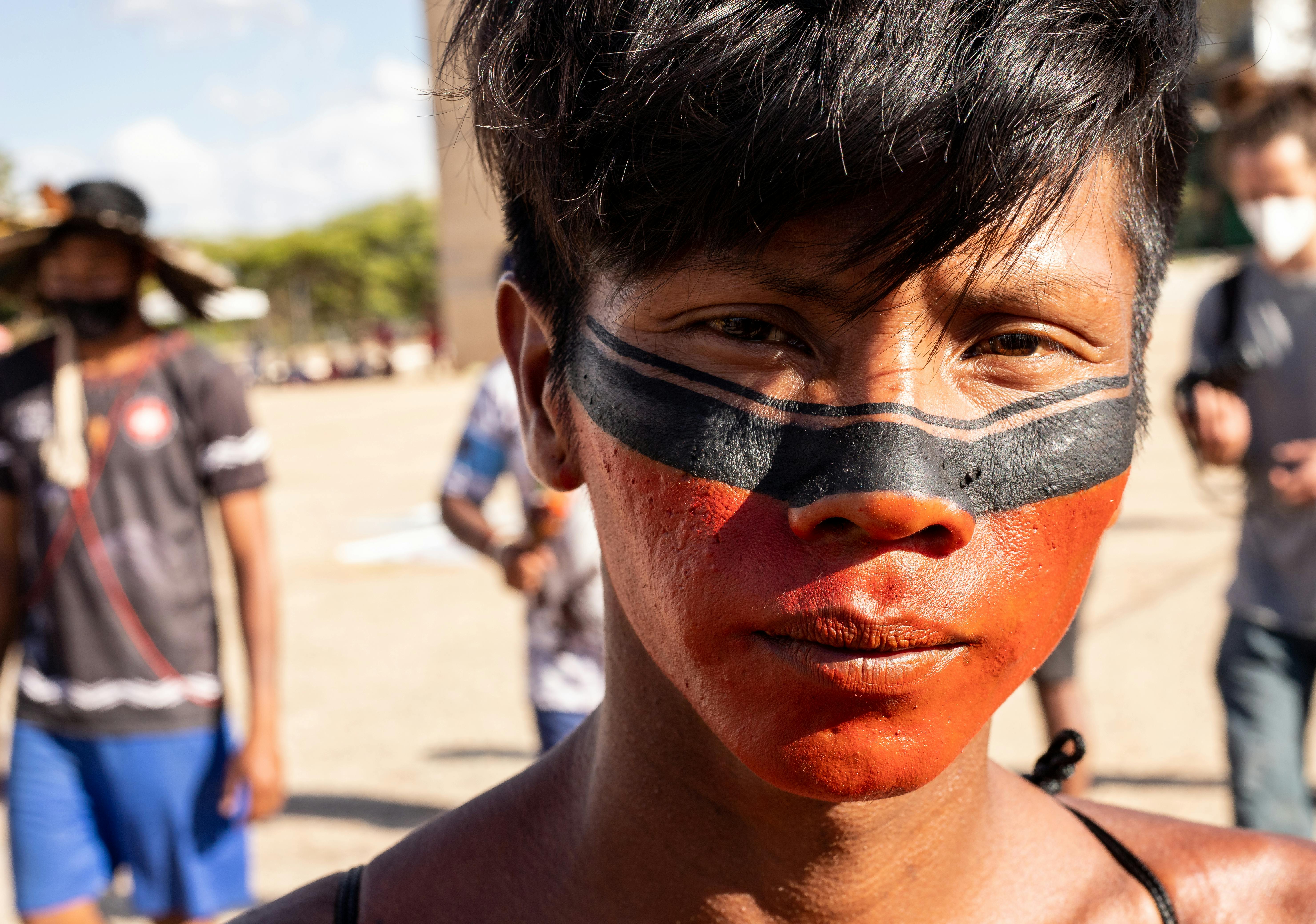
According to reports from Dialogue Earth, wind energy companies are accused of installing turbines on or nearby Indigenous lands without obtaining the free, prior, and informed consent of the communities involved. This practice contravenes established national and international standards that are meant to protect Indigenous peoples' rights. The Tremembé and Tupinambá communities have voiced their grievances regarding the disruptions these projects have inflicted on their daily lives.
The ramifications of these developments stretch far beyond mere environmental concerns. Indigenous communities have reported noise pollution, restricted access to sacred sites, and degradation of natural resources, all of which are essential to their cultural and spiritual identities. Such disruptions underscore the necessity of not only pursuing learning about these communities but actively engaging in meaningful dialogue to foster mutual respect and understanding.
Accusations of land grabbing further complicate this situation, with local leaders advocating for the recognition of their rights and the importance of Indigenous decision-making processes. These developments illustrate a broader pattern in clean energy initiatives where the pursuit of sustainability can inadvertently perpetuate colonial and extractive practices, thereby increasing the struggle for justice.
The Call for Just Transition
As Brazil aims to become a leader in renewable energy, it is imperative to consider the potential conflicts that arise between environmental goals and human rights. The current push for wind energy expansion cannot overlook the voices of Indigenous communities who are entitled to benefit from the resources on their lands. Achieving climate justice requires a commitment to fair and inclusive processes that prioritize the rights and perspectives of the most affected.
A just transition to renewable energy involves honoring the cultural, social, and economic rights of Indigenous populations. This means implementing rigorous standards that respect their land rights and ensuring that energy companies engage in transparent practices. Engaging in persistence and advocacy will be essential to push for policy changes that safeguard both the environment and Indigenous rights.
Moreover, as public awareness regarding these issues grows, it is crucial for organizations and companies, such as Eletrobras, to take accountability and address allegations related to their projects. The path toward sustainable energy must not be paved at the expense of marginalized communities; effective dialogue and collaboration are necessary to secure a future where all stakeholders can thrive.
Conclusion
The expansion of renewable energy initiatives, while commendable in terms of fighting climate change, must occur in concert with respect for Indigenous rights and social equity. The alarming reports of land rights violations indicate that further action is necessary to prevent the perpetuation of colonial practices under the guise of sustainability. Navigating the complexities of renewable energy development will require dedication to growth through inclusivity and respect for community voices.
To truly achieve climate justice, stakeholders must prioritize learning from Indigenous communities and integrate their knowledge into energy policies. The journey toward a sustainable future will only be successful if it encompasses all citizens' rights and fosters a collaborative approach to development.
Questions and Answers
Q1: What are the main concerns of Indigenous communities regarding wind energy projects in Brazil?
A1: Indigenous communities are concerned about violations of land rights, lack of free and informed consent, noise pollution, restricted access to sacred sites, and environmental degradation.
Q2: How does the installation of wind turbines affect Indigenous culture?
A2: The installation disrupts daily life and restricts access to natural resources and sacred sites, which are integral to their cultural identity.
Q3: What is meant by 'just transition' in the context of renewable energy?
A3: A just transition refers to moving towards renewable energy in a way that respects and includes the rights and voices of Indigenous and marginalized communities.
Q4: What can be done to ensure that renewable energy development respects Indigenous rights?
A4: Companies must engage in transparent practices, seek free prior informed consent, and prioritize meaningful dialogue with Indigenous communities.
Q5: Why is it essential for companies like Eletrobras to address these allegations?
A5: Addressing allegations is crucial for accountability, building trust with affected communities, and securing a sustainable future for both the environment and Indigenous rights.
Comments
Post a Comment