Danny Boyle’s Innovative Filmmaking Techniques in "28 Years Later"
Introduction
Director Danny Boyle has undeniably made his mark in the film industry, particularly with his post-apocalyptic classic "28 Days Later." This film was shot using Canon digital cameras, allowing Boyle to vividly capture eerie scenes of an abandoned London while providing an unsettling immediacy to the fast-moving zombies. With the opening of his long-anticipated sequel, "28 Years Later," Boyle has embraced a new technological shift in filmmaking.
In this exciting sequel, Boyle utilized the iPhone as a primary filming device, showcasing the evolution of cinematic technology. The director articulated how capturing brutal action scenes became more accessible with a rig that could hold twenty iPhone Pro Max cameras. This approach created what he described as "basically a poor man's bullet time," demonstrating that innovative techniques can emerge from consumer technology.
Through this article, we'll explore how Boyle's choice of the iPhone influenced the shooting process and contributed to the film's unique visual style, revealing insights into the discipline and learning behind modern filmmaking practices that enhance growth in the creative industry.
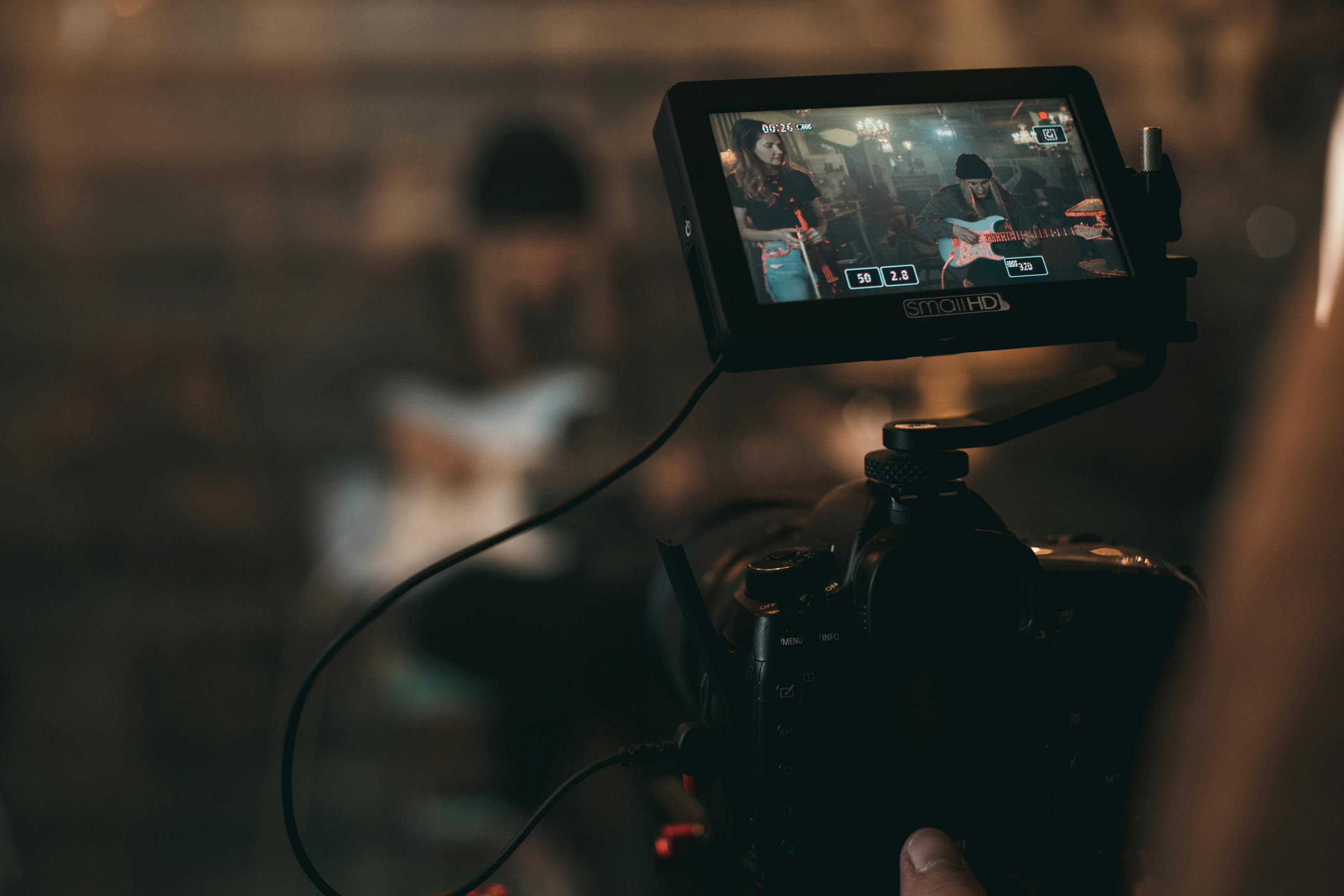
Embracing New Technology
In an era where technology continually advances, director Danny Boyle recognized the potential of the iPhone in revolutionizing traditional filmmaking methods. By using the iPhone, Boyle and his team could navigate through complex filming environments with greater ease. The absence of bulky equipment allowed them to shoot scenes in Northumbria, an area that beautifully mirrored landscapes as they might have looked a thousand years ago. This focus on authenticity and historical accuracy demonstrates a commitment to growth and creative discipline in his work.
Boyle's preparation involved disabling automated features such as autofocus and incorporating additional accessories to optimize the filming process. Such meticulous attention to detail reflects the learning curve that accompanies any shift in artistic direction. The iPhone not only served as the movie's "principal camera" but also enabled quicker transitions between locations, maintaining the natural untouched aesthetic that Boyle aimed to achieve.
This innovative approach to filmmaking highlights the persistence of creativity and adaptability in challenging conditions. With a broader acceptance of unconventional equipment, Boyle's methods exemplify how modern directors can leverage everyday technology to push narrative and visual boundaries. This new way of thinking fosters an environment where artistic exploration can thrive, leading to groundbreaking film techniques.

The Impact of Innovation on Storytelling
Utilizing iPhones in cinematic storytelling represents a significant shift that has implications far beyond convenience. Boyle's adeptness in integrating consumer technology into film production speaks to a broader trend within the industry. With increased accessibility, aspiring filmmakers are now more equipped than ever to experiment with storytelling techniques. This democratization of technology allows for varied narratives to emerge, reflecting a diverse range of experiences and perspectives.
By adopting these tools, Boyle not only created a visually compelling sequel but also opened dialogues on filmmaking practices, urging an audience long accustomed to conventional methods to embrace innovation. The fast-paced scenes captured through iPhones provide a sense of urgency and immersion, amplifying the viewer's emotional engagement with the characters' struggles during a post-apocalyptic crisis.
The story of "28 Years Later" stands as a testament to the evolution of film propelled by relentless innovation and creativity. Boyle's bravery in adopting new technologies fosters an environment of growth and encourages collaboration among filmmakers at all levels. In doing so, he remains a vital figure in shaping the future of cinema.
Conclusion
In conclusion, Danny Boyle's approach to "28 Years Later" illustrates how integrating innovative technologies can enhance storytelling in film. His willingness to adapt and learn from available tools such as the iPhone showcases the importance of persistence and creativity in the artistic process. By leveraging these advancements, Boyle has not only captured an engaging narrative but also set a precedent for future filmmakers seeking to explore the interplay between technology and creativity.
Questions and Answers
1. What role did the iPhone play in the filming of "28 Years Later"?
The iPhone served as the principal camera, allowing for quick shooting with minimal equipment.
2. How did Danny Boyle achieve a unique visual style in his sequel?
He used a rig with multiple iPhone Pro Max cameras to create dynamic action sequences.
3. What challenges did Boyle face when using the iPhone for filming?
He had to disable automatic features and use special accessories to ensure optimal filming conditions.
4. Where were the filming locations for "28 Years Later"?
The film was shot in parts of Northumbria, aiming for landscapes resembling historical times.
5. What message does Boyle convey through his use of innovative technology?
He emphasizes the importance of creativity, growth, and adaptation in the evolving film industry.
Comments
Post a Comment