Belgium: Activists Protest Against Syensqo and OIP Over Gaza Connections
Belgium: Activists Protest Against Syensqo and OIP Over Gaza Connections
Introduction
On June 23, 2025, activists held a significant protest at two Belgian firms, Syensqo in Brussels and OIP Sensor Systems in Tournai, due to their alleged involvement in facilitating actions in Gaza. The protesters accused these companies of contributing to "genocidal acts" by supporting Israel militarily. Such actions raise serious questions about the ethical responsibilities of Belgian arms manufacturers in global conflicts, particularly in relation to the ongoing struggles faced by civilians in Gaza.
Protests and Accusations
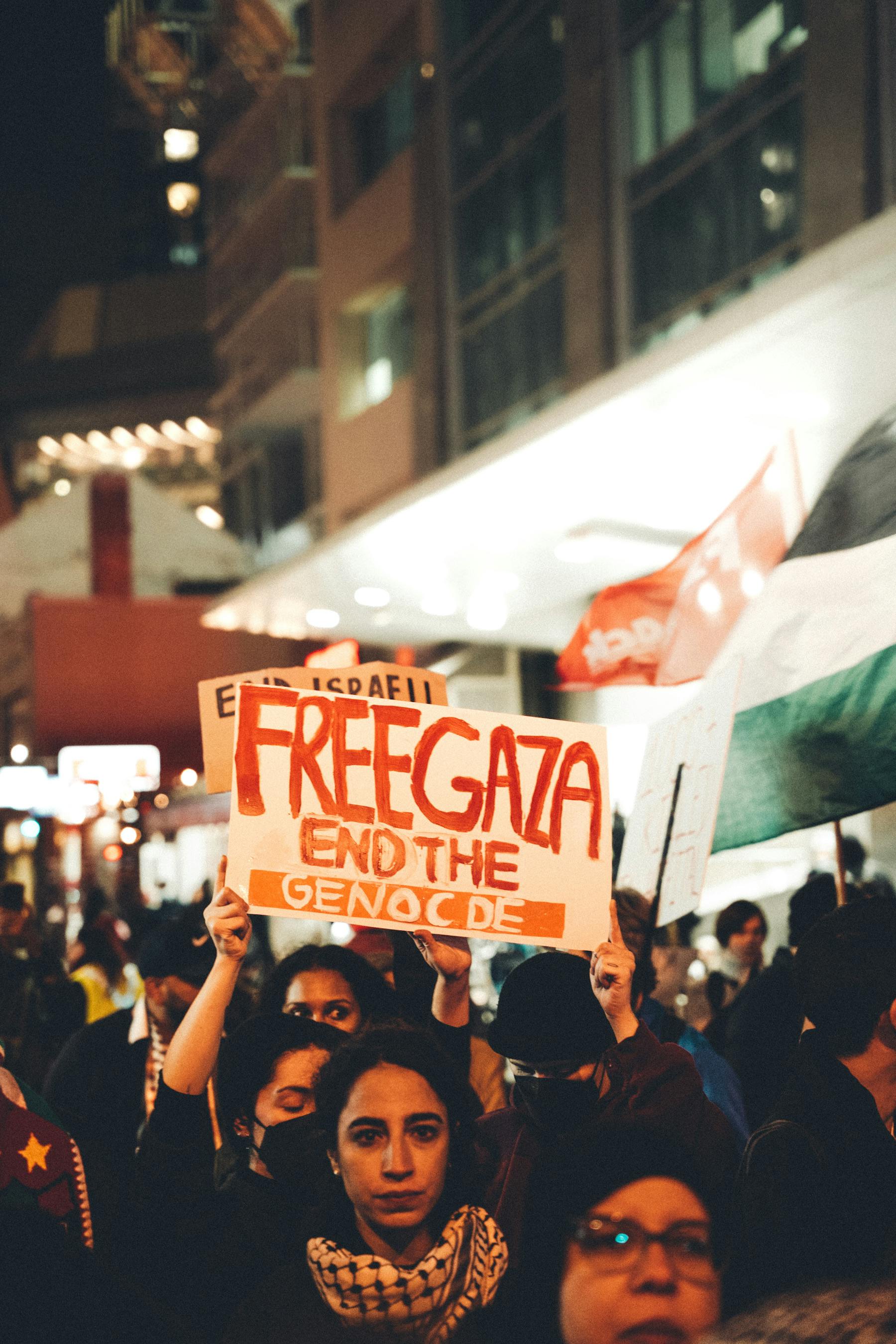
The protests commenced around 7:45 AM, where demonstrators obstructed access to the companies' facilities. At Syensqo, the activists took dramatic steps by painting the building red, symbolizing the bloodshed occurring in Gaza. They claim Syensqo is deeply intertwined with the conflict by supplying crucial components for Israeli drones that are purportedly used in military operations against civilians. This assertion that the company knowingly contributes to war crimes has fueled heightened tensions and public concern regarding corporate complicity in international humanitarian issues.
Beyond Syensqo, protesters also targeted OIP Sensor Systems, which is owned by the Israeli arms manufacturer Elbit Systems. The link between OIP and the production of optical and targeting systems for the Israeli military has prompted calls for accountability from the protesters. By drawing attention to these companies, activists argue that it is imperative for firms like Syensqo and OIP to take responsibility for the consequences of their products, particularly those that lead to civilian casualties and violate international laws.
The activists contend that with Elbit supplying over 85% of the drones used by the Israeli military, the role of companies based in Belgium is crucial. This participation in the so-called "war machine" is viewed as unacceptable, leading to passionate statements from protesters like Camille, who declared Elbit to be the "industrial arm of genocide in Palestine". Such rhetoric underscores a growing awareness of the interplay between corporate operations and geopolitical conflicts.
Corporate Responses and Consequences
In the wake of the protests, the Belga News Agency reached out to both companies for their responses. Syensqo defended its business by stating that its composite materials have applications across numerous sectors, including automotive and civil and military aviation. They emphasized their commitment to human rights, attempting to distance themselves from the controversial claims made by the activists. This highlights a common narrative among corporations caught in controversial positions: a defense of broader business practices to mitigate specific allegations.
Likewise, OIP's CEO, Freddy Versluys, addressed the protest by revealing that the incidents caused approximately 1 million euros in damage while also delaying crucial shipments of armored vehicles to Ukraine for about a month. Versluys strongly reiterated that OIP has not produced defense systems for Israel for the past 20 years, striving to assert the firm's independence from ongoing military operations associated with the Israeli government.
The discourse surrounding these protests shines a light on the ethical implications of arms manufacturing in Belgium and the wider role such companies play in international conflicts. As debates continue, the responsibilities these firms bear—alongside the consequences of their operations—remain subjects of public scrutiny and concern.
Conclusion
The protests at Syensqo and OIP Sensor Systems have ignited a critical conversation regarding the ethical implications of arms manufacturing in relation to international conflicts. As activists draw attention to the complicity of Belgian firms in actions that lead to civilian suffering in Gaza, it becomes essential to hold these companies accountable for their roles in perpetuating violence. Moving forward, the link between corporate practices and human rights must be vigilantly examined to ensure that businesses operate in a manner that respects the dignity and safety of all individuals.
Questions and Answers
Q1: What were the main reasons for the protests against Syensqo and OIP?
The protests were primarily motivated by accusations that both companies support Israel's military operations, which activists claim lead to civilian deaths in Gaza.
Q2: What actions did protesters take at Syensqo?
Protesters blocked roads to the facility and painted the building red, symbolizing the bloodshed associated with the military actions in Gaza.
Q3: How does OIP Sensor Systems relate to Elbit Systems?
OIP Sensor Systems is owned by Elbit Systems, an Israeli arms manufacturer known for supplying a significant portion of Israel's military drones.
Q4: What damages were caused by the protests at OIP?
CEO Freddy Versluys reported that the protests resulted in damages amounting to approximately 1 million euros and delayed shipments of armored vehicles to Ukraine.
Q5: What is being called for in terms of accountability from arms manufacturers?
Activists are urging companies like Syensqo and OIP to take responsibility for the potential consequences of their products, especially in light of their use in military operations that violate international laws.
Comments
Post a Comment